Few people have ever seen the elusive Philippine mouse-deer in the wild. But chances are, if you’re old enough to read this paragraph, then you might have read or even more likely had a parent read to you, the Adarna House adventures of Pilandok the mouse-deer as a child. The mischievous hero used guile and trickery to run circles around his opponents. In one story, he deceives a murderous sultan using a supposedly golden egg. In another, he outsmarts a greedy datu by luring him into a cage at sea.
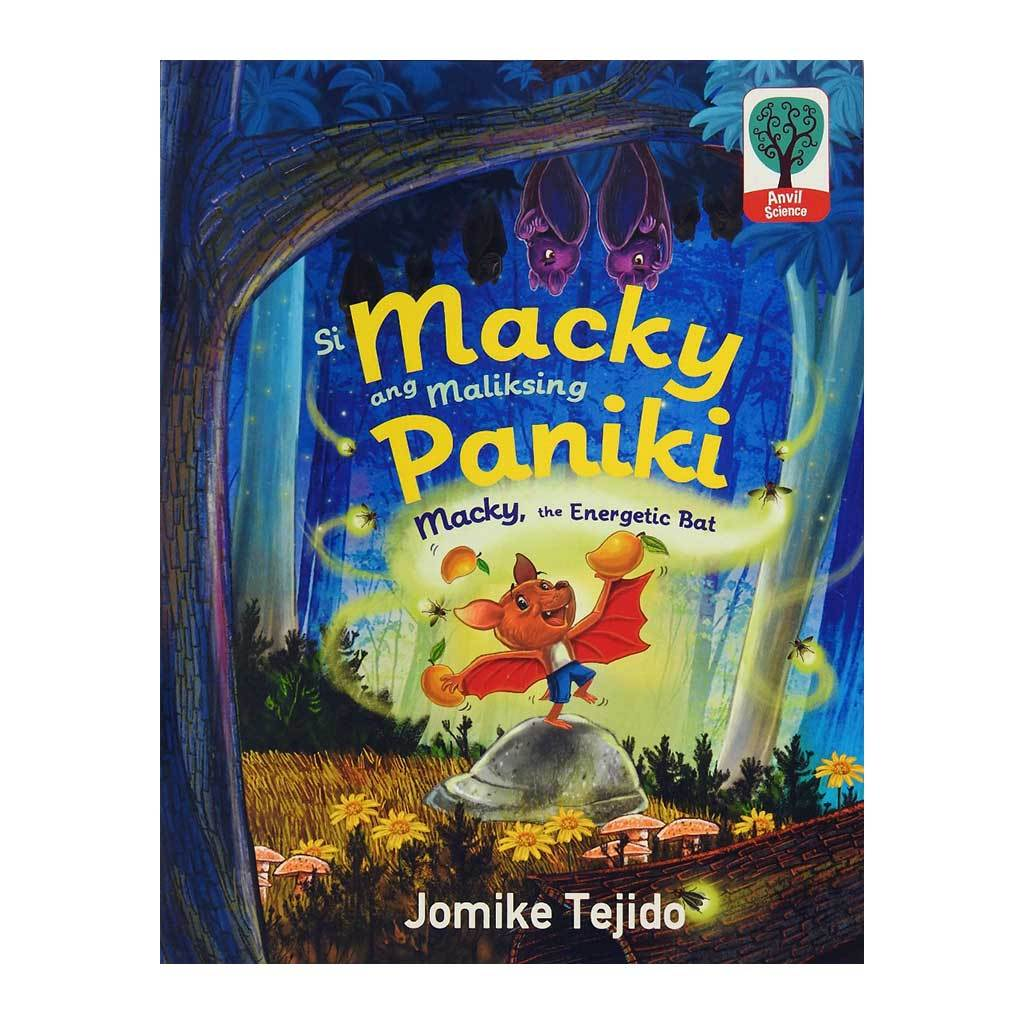
For many kids in today’s heavily urbanized world, nature is something that often begins in the imagination. Read and reread in bedrooms and classrooms far from the jungle, the stories of Pilandok, Diwa the Dugong, Mayumi the Forest Pig, and Macky, ang Maliksing Paniki, serve as important avenues for children eager to explore the wilderness of the mind.
Still, it would be wise to remember that in real life mouse deer don’t talk. What does the cunning Pilandok get right about the natural world during his adventures, and what does he inadvertently distort?
The Constantino Foundation’s very first research fellow, Angela Napeñas, grappled with exactly these kinds of questions while preparing her thesis about the representation of biodiversity in children’s storybooks. She asked, which plants, animals, or fungi figure prominently in Filipino storybooks, and which do not? When certain organisms do show up, are they described or illustrated correctly?
Answering these questions required Angela to travel from library to library to examine as many books as she could. And as a reward for her effort, the results of her research have proven both fascinating and insightful.
For instance, she found that storybooks contain a disproportionate amount of mammals relative to actual ecosystems, and that there are relatively few amphibians, reptiles, and fishes in comparison. And while plants are often present, they’re usually generic background props. It’s a finding unworthy of the bewildering diversity of Philippine flora, which contains over 10,000 species of vascular plants alone.
These results have important implications for Filipinos of all ages. The world is in the middle of an unprecedented biodiversity crisis. Frogs are dying off at staggering rates. Bees are disappearing, and with them the plants they pollinate, including agricultural crops. How can future generations overcome these cataclysms if they grow up lacking the tools to understand the natural world around them?
There’s plenty more to say about Angela’s work, but talking too much would be spoilers. Luckily, she’ll soon be sharing her research with a global audience.
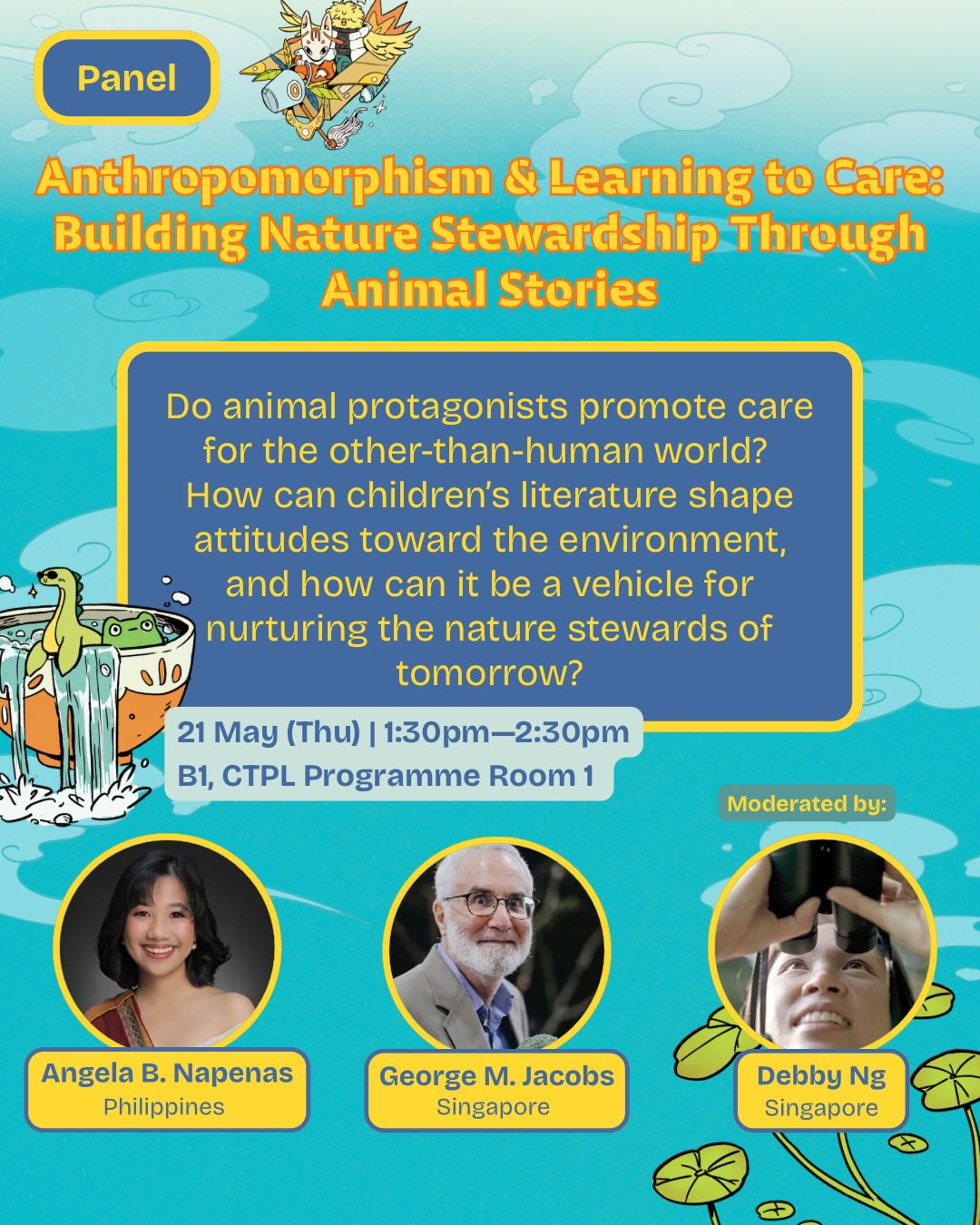
This coming May 21-24, Angela will be in Singapore to present her study the 2026 Asian Festival of Children’s Content. You can catch her presentation on May 21, 2026, 1:30 – 2:30 PM, at the National Library of Singapore. More details in the link below.