
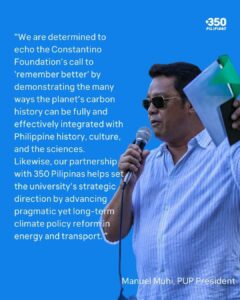
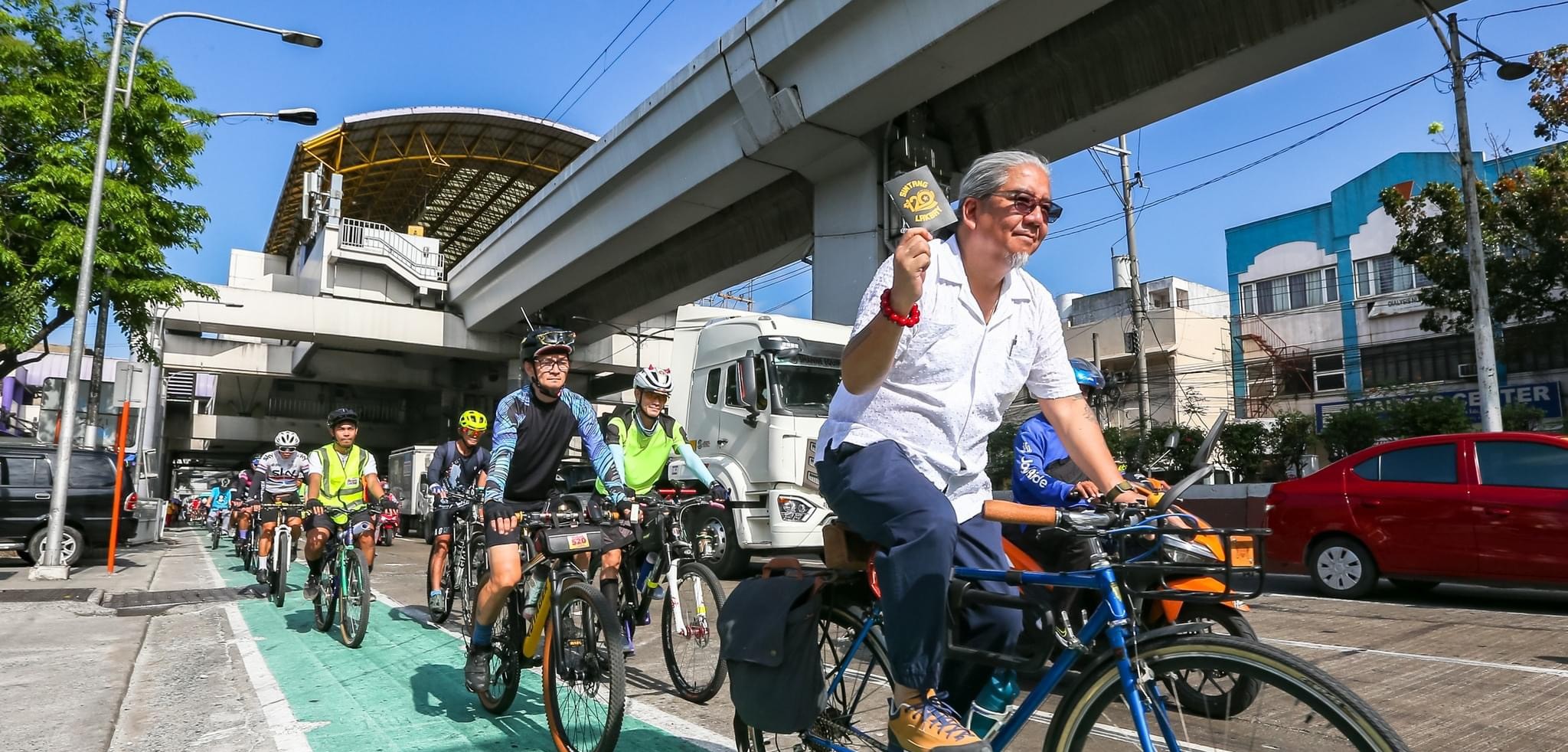
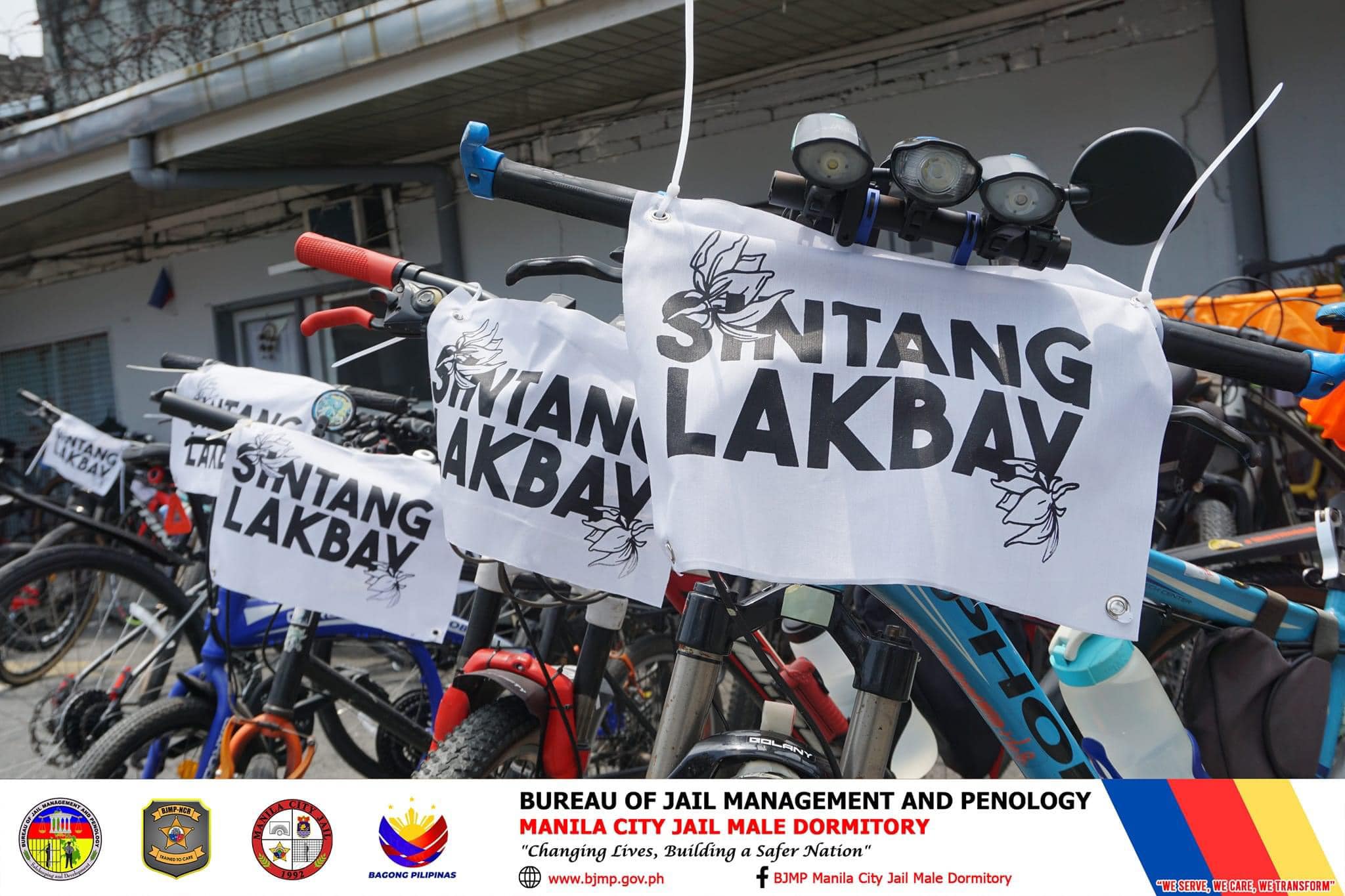
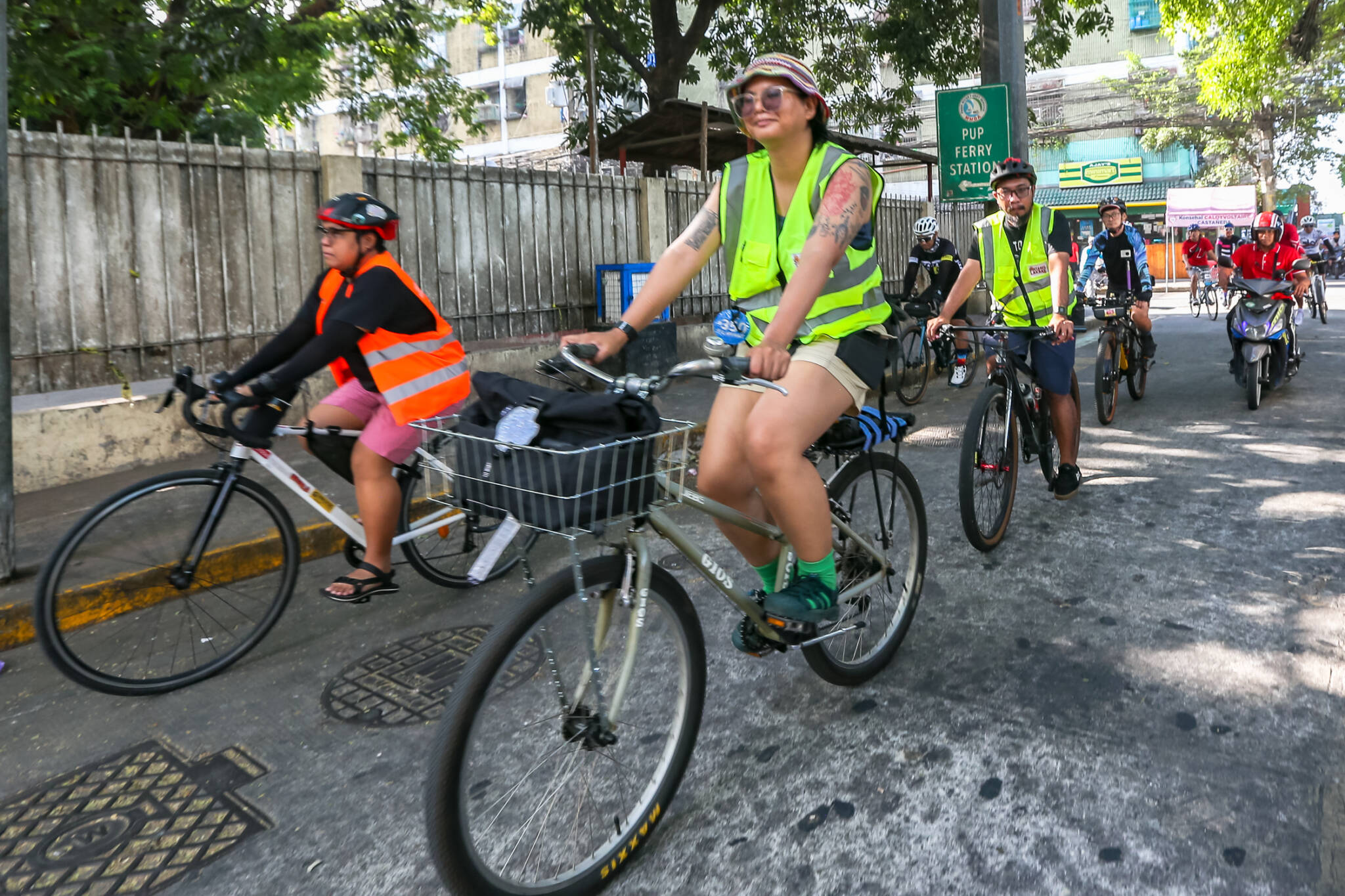
 #SintangLakbay is a history bicycle tour organized by the Constantino Foundation, Polytechnic University of the Philippines, and the climate advocacy group 350 Pilipinas. Pedalling in celebration of largely unheralded landmarks in Manila, the initiative came out of the commemoration of the 120th founding anniversary of the country’s premier Polytechnic University of the Philippines (PUP).
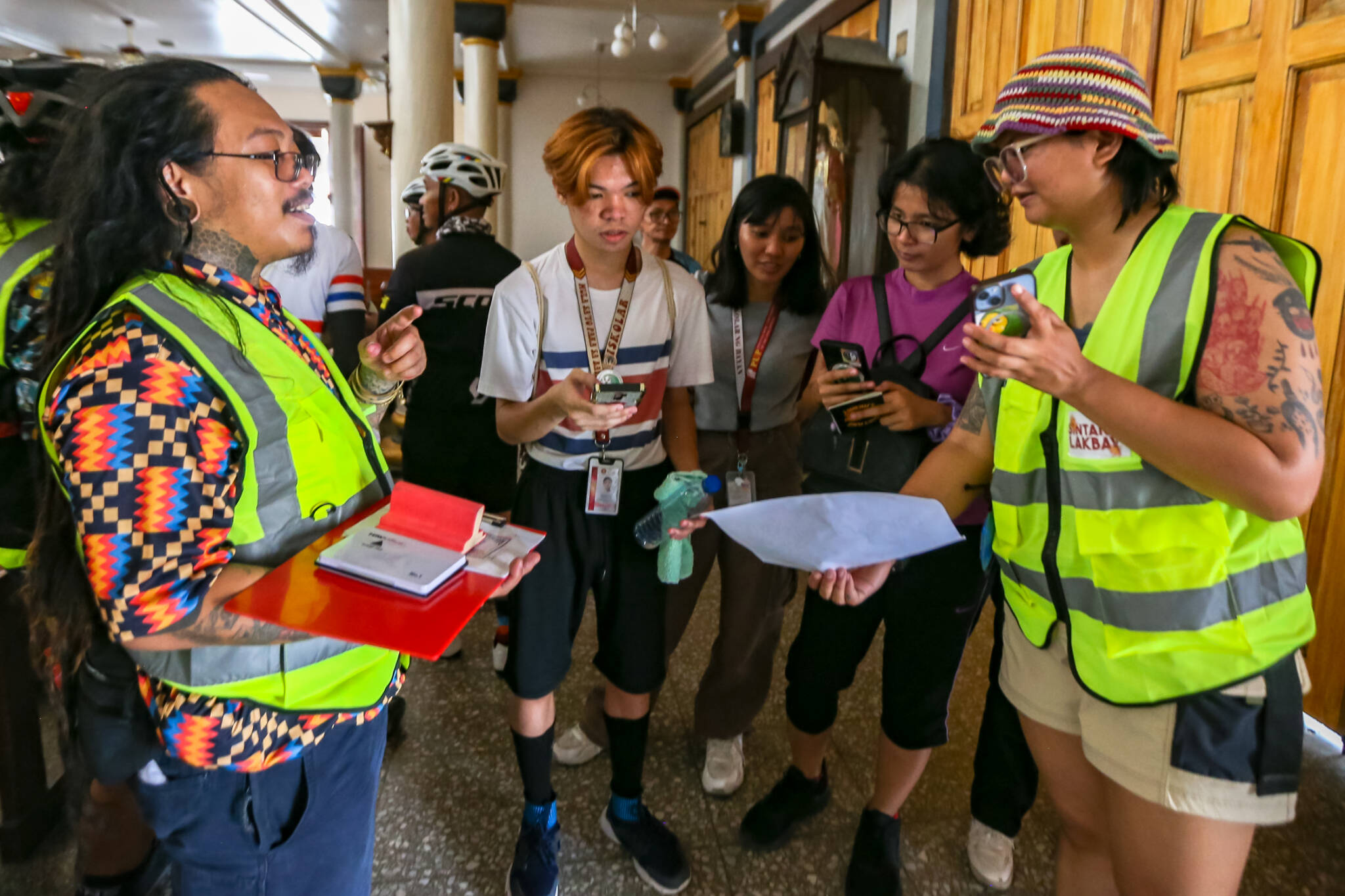
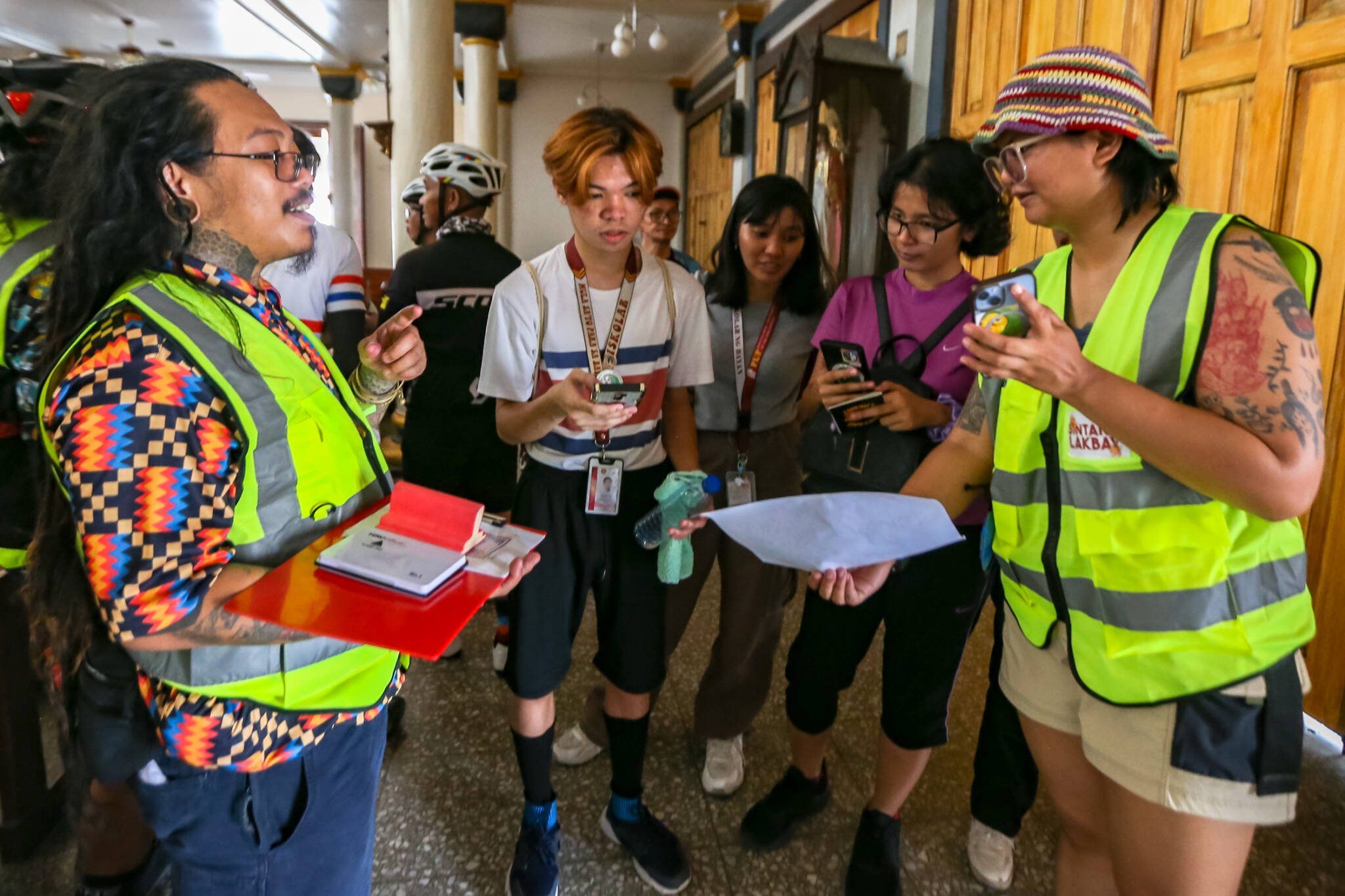
#SintangLakbay is a pursuit of transdisciplinary collaboration, where fair climate policy groups combine forces with cycling advocates, history scholars, and people with expertise and interest in biology, politics, climate science, architecture, religion, nutrition, and mathematics. It reflects the Constantino Foundation’s notion of a #UsableHistory and promotes the non-profit groups call for integrative pedagogy.
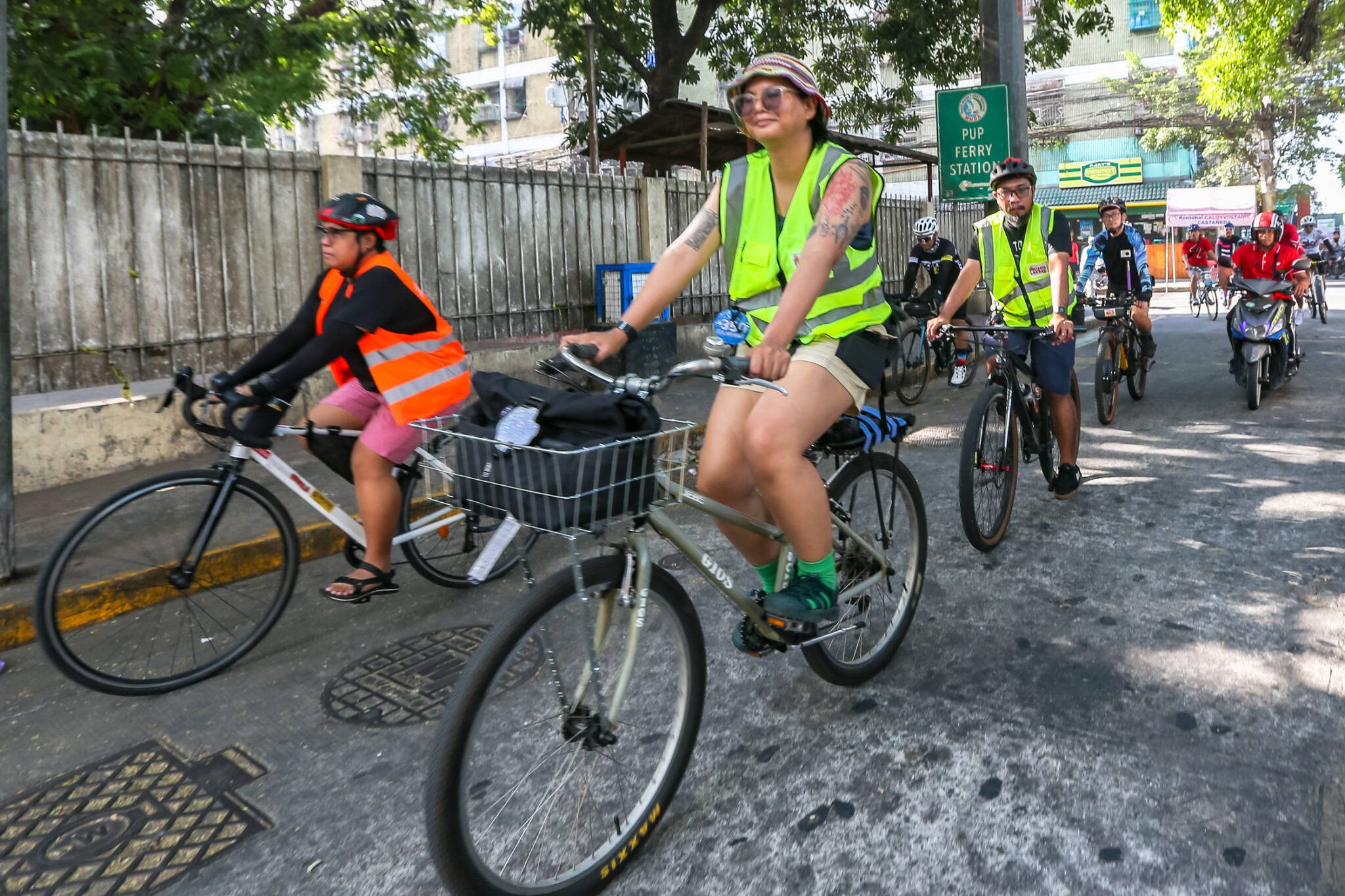
The first tour began with a walk that slided into a pedaling activity around sites in Sta. Mesa, Manila in April 2024, followed in June the same year by a similar though longer cycling event that reached Quiapo, Sta. Cruz, Old Bilibid, and the vicinity of Malacañang, before heading back to the grounds of PUP’s main campus. The first ride covered around six kilometers; the second was over three times longer or around 24 kilometers.
The ride enjoyed the participation of history buffs who were not cycling commuters, along with cycling enthusiasts eager to learn more about their country’s past.
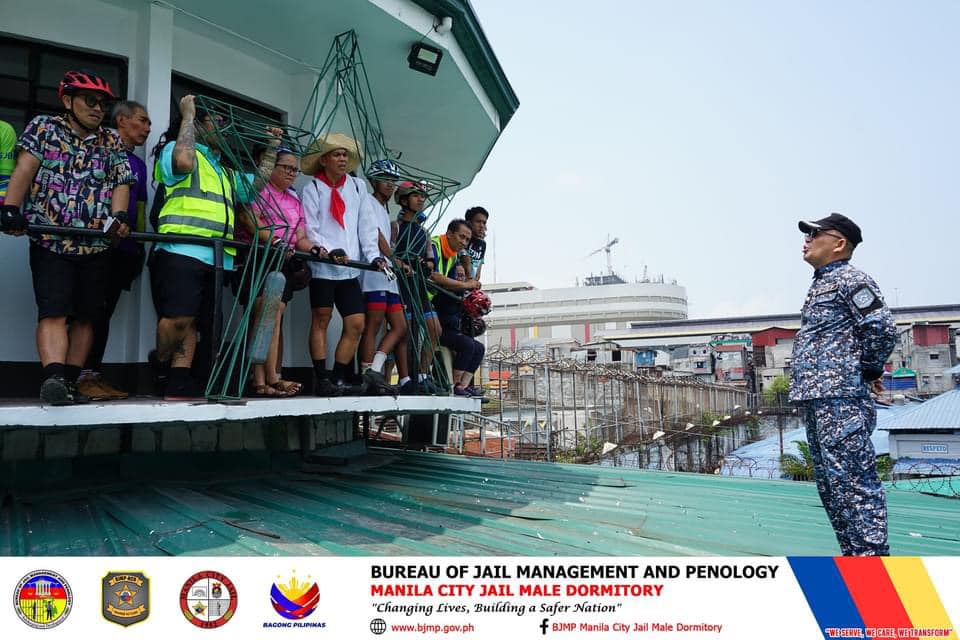
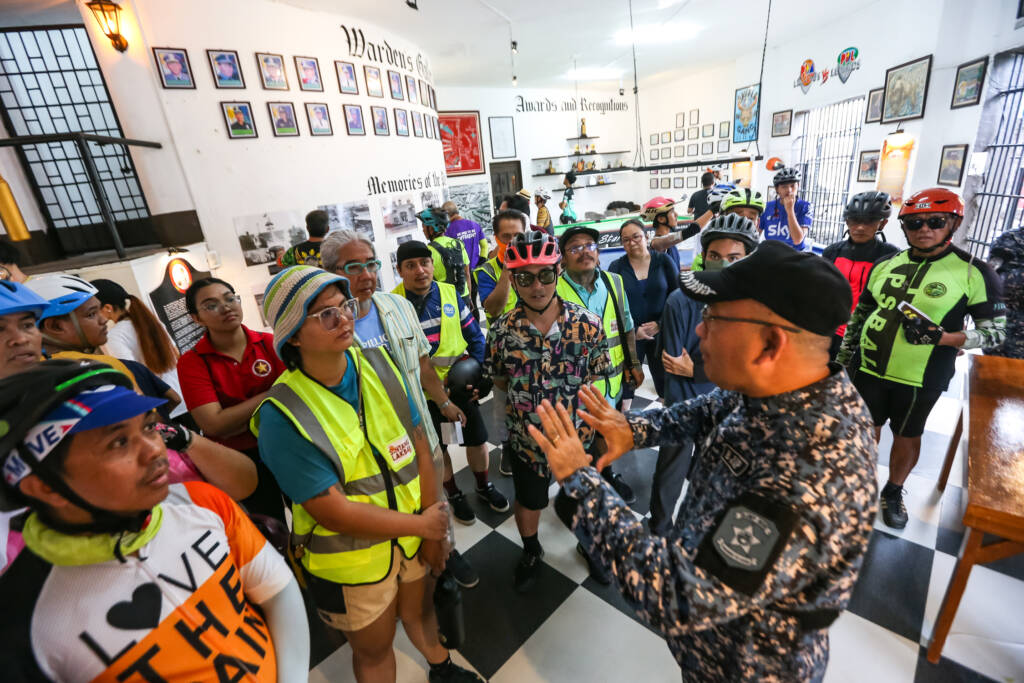
The initiative has thus far included visits inside a church to locate the remains of the CEO of a business where Andres Bonifacio once worked, to a visit to the interior of Manila City Jail, also known as Old Bilibid, where many historical figures, including Philippine-American War hero Gen. Macario Sakay, were incarcerated and, in the case of Sakay, hanged. The cyclists were welcomed by the jail warden who gave a sneak peek of the correctional facility’s museum scheduled to be launched later in June.
Cyclists made over a dozen stops, such as the corner of Sociego and Silencio, street names that mean calm and silence respectivelly even though the site is where armed hostilities between the Philippine revolutionary government and the invading troops of United States first broke out. The ride passed through M. dela Fuente and recalled streets named to reflect virtues such as Pureza, Honradez, and Sobriedad before proceeding to Carriedo.
The cyclists stopped at the Maria Clara Parish Church of the Iglesia Filipina Independiente in Sta Cruz where they were welcomed by Bishop Gregorio delos Reyes, grandson of the celebrated labor leader, writer and revolutionary Isabelo delos Reyes, also known as Don Belong. The house of worship is named after one of the characters in the novel of Jose Rizal. The group paid tribute to the final resting place of the hero by leaving a necklace made with sampaguita and ylang-ylang, the latter the subject of the ride’s first stop at the lone Cananga odorata tree inside PUP’s main campus.
Riders had lunch at a Muslim eatery in Calle Gunao in Quiapo, the street where PUP was established 120 years ago. With bellies full, participants walked to an almost empty lot on F.R. Hidalgo, the site of the country’s first power plant, which used coal as its fuel.
The ride’s last stop was stop was under the Nagtahan bridge, where the Carriedo water fountain was originally located in a roundabout called Rotonda de Sampaloc. The fountain was named after Don Francisco Carriedo, whose donation was responsible for constructing Manila’s first modern water system.
“This ride demonstrates how incredibly linked Philippine history is with current issues such as climate change and mobility. The Manila Grand Opera Hotel is historic not only because it was the site of the Philippine Assembly and bodabil but given its origin as the country’s first cycling racetrack. The first Philippine power station was in Hidalgo Street and the main fuel it used, which is coal, embodies what participants wanted, which is to make fossil fuels history,” said Red Constantino, managing director of the Constantino Foundation.
Stories
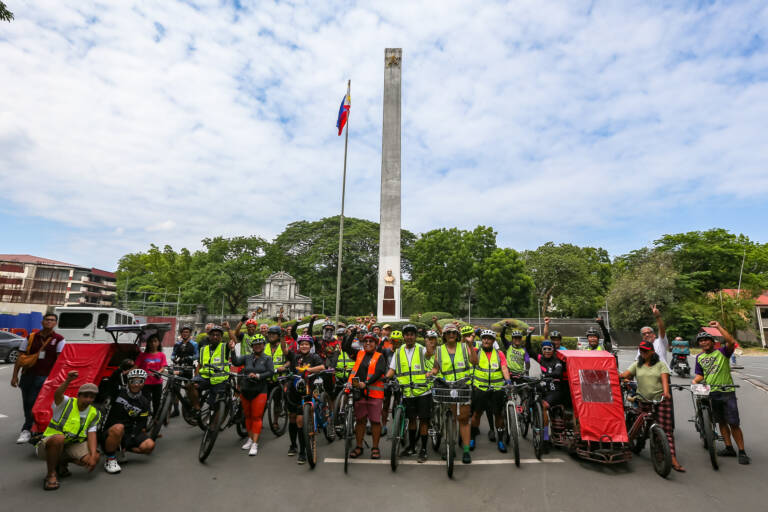
The Polytechnic University of the Philippines (PUP) launched Sintang Lakbay today, a pioneering initiative integrating inclusive mobility, culture, and history. The move highlights the school’s resolve to demonstrate the relevance of its academic philosophy in the face of current climate-constrained realities. [...]
Life reveals far greater pleasures when we use our sense of curiosity more often. This is so for travelers and it’s something any Filipino can enjoy when they start asking about the origins of street names. For instance, Magsaysay Boulevard was named after The Guy, Ramon Magsaysay, one of the country’s more popular presidents. [...]
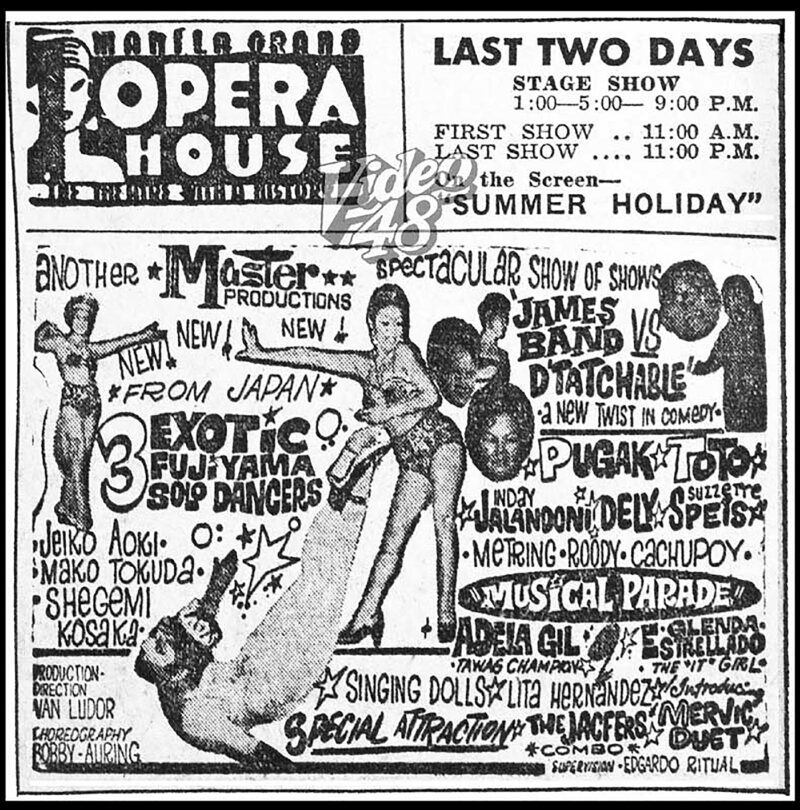
ON the corner of Rizal Avenue and Doroteo Jose stands the Manila Grand Opera Hotel, a fabulist if the establishment were a person.This is about the history of a place that has gone through many costume changes, a story bursting with intersectionality, with a past so implausible it should be celebrated annually by poets and climate activists alike. [...]
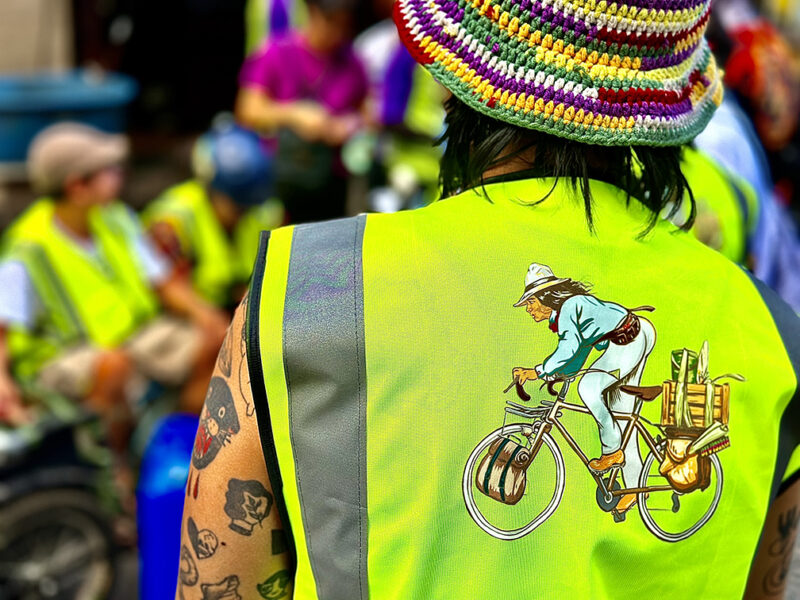
Fair climate policy advocates joined forces again with history buffs as they pedaled in celebration of largely unheralded landmarks in Manila. Dubbed #SintangLakbay in commemoration of the 120th founding anniversary of the country’s premier Polytechnic University of the Philippines (PUP), [...]
#SintangLakbay was welcomed so warmly by BJMP officials. They were so warm and professional; they gave us a tour of Old Bilibid where Sakay was hanged, a preview of the museum they'll launch end June, and the Gola, the tower of the city jail built in 1847. [...]