
Spotlight
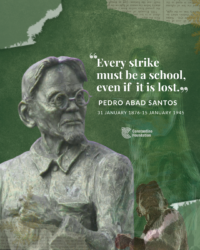
The Continuing Past of Pedro Abad Santos
by Renato Redentor Constantino (The essay was published first in ABS-CBN.) “If freedom is to be preserved, fascism must be destroyed at all costs.”[1] These[READ]
🌱✨ A New Year, a New Celebration of Curiosity! ✨🌱
This January 2026, we highlight “Damayan” by Celine and Dennis Murillo, awarded 2nd Best Film in Indie-Siyensya, the pioneering science filmmaking competition of DOST-SEI.[READ]
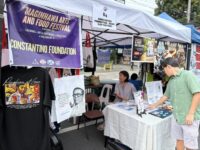
Tambay na sa #MaginhawaArtsandFoodFestival.
With 350 PH and Justice for Leonard Co as neighbors, we open!
Spotlight
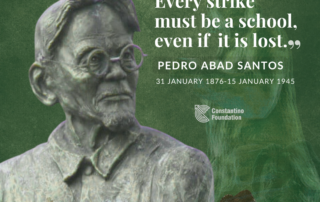
The Continuing Past of Pedro Abad Santos
by Renato Redentor Constantino
(The essay was published first in ABS-CBN.)
“If freedom is to be preserved, fascism must be destroyed at all costs.”[1]
These are the timeless words of the hero Pedro Abad Santos, born 150 years ago on 31 January 1876. He was a nationalist, a revolutionary, and a fighter who lived by the principles of the Katipunan’s Kartilya. To forget Abad Santos is to forget who we are and who we can still be as a people. Perhaps this is why so many feel so restive yet so lost today, adrift in a brutal ocean[READ]
Pasts Revisited
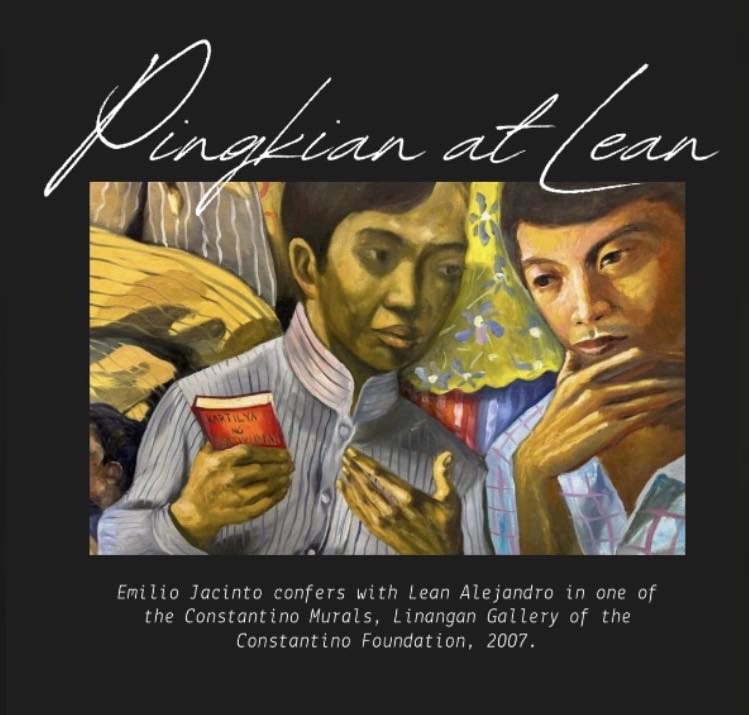
Emilio Jacinto: Bayani ng mga Bayani
Events
Videos
Stories
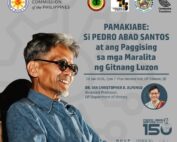
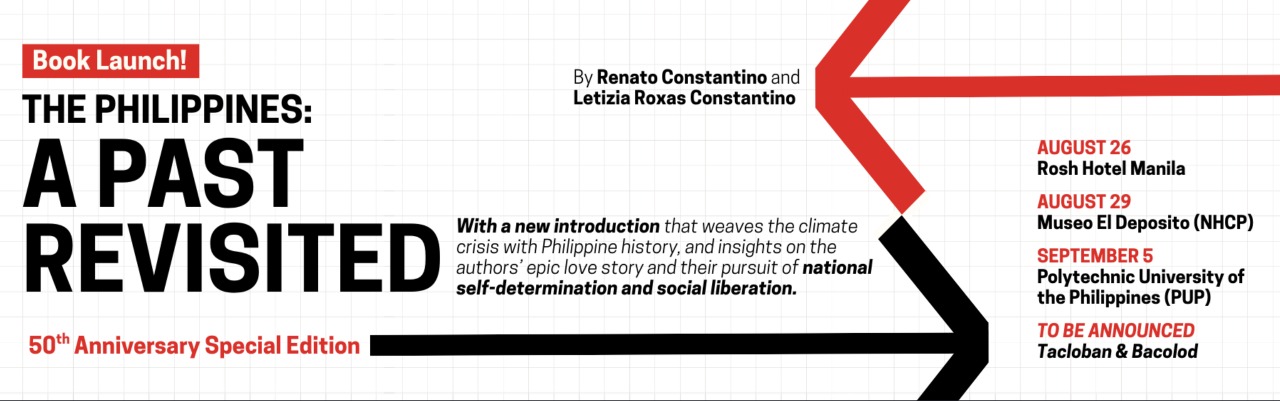
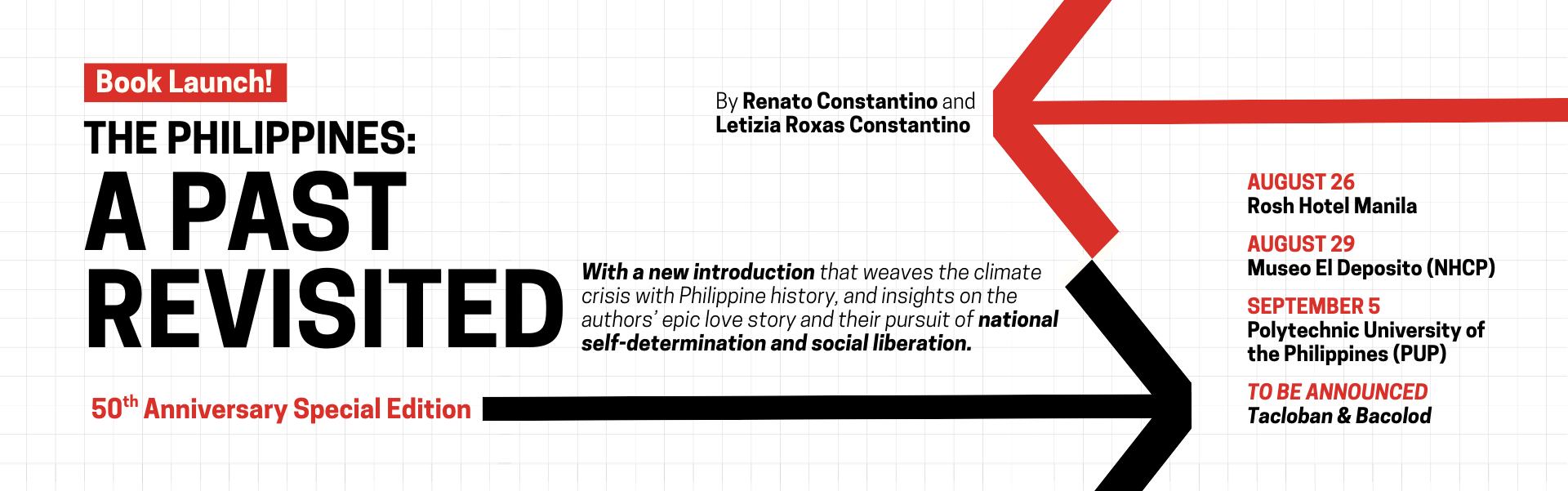
Pedro Abad Santos 150th Birth Anniversary Lecture
Dr Ian Christopher Alfonso gave a lecture yesterday worthy of the 150th birth anniversary of the revolutionary Pedro Abad Santos. We thank our co-organizers, the National Historical Commission of the Philippines, the UP Department of History, and the City of San Fernando, Pampanga. Read More[READ]
We are honored to be part of an event honoring one of the country’s finest – and one of Pampanga’s greats – Pedro Abad Santos.
Join if you can, it's free - but remember, first come, first served basis. Seats are limited! Lezzgo and let's learn tons of insights together. It's not everyday one gets to hear the compelling scholar, Dr. Ian Christopher Alfonso, speak. #aPastRevisited #MabuhaySiDonPerico #MabuhayPedroAbadSantos Read More About The Lecture Here [READ]
🌱✨ A New Year, a New Celebration of Curiosity! ✨🌱
This January 2026, we highlight “Damayan” by Celine and Dennis Murillo, awarded 2nd Best Film in Indie-Siyensya, the pioneering science filmmaking competition of DOST-SEI. Their work reminds us how a nation is built, one mushroom at a time. Their film draws attention to the hidden networks beneath our forests --the mycelial[READ]

A LIGHT THAT REFUSES TO BE DARKENED
By Wilson Lee Flores | December 14, 2025 Between the dangerous, dazzling "ningning" (glitter) of false promises & the steady, guiding "liwanag" (light) of truth—which do we choose? Last December 12, at 87-year-old #KamuningBakery Cafe, the non-partisan #PandesalForum honored the 150th birth anniversary of the fierce, brilliant hero #EmilioJacinto—the “Brains of[READ]