

Spotlight
IKA-27 ANIBERSARYO NG PAGPANAW NI RENATO CONSTANTINO
Noong Setyembre 15, 1999, pumanaw ang kilalang historyador na si Renato Constantino sa edad na 80. Kabilang siya sa mga humamon sa umiiral na pananaw[READ]

Let’s Play DIKTADOR: An Immersive Role-Playing Card Game!
This September 19, the Constantino Foundation joins Renacimiento Manila and Project Gunita for DIKTADOR!, an immersive role-playing card game that brings participants into the[READ]
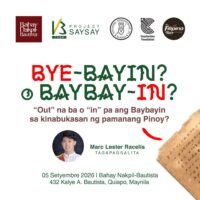
BYE-BAYIN” na nga ba o “BAYBAY-IN
𝐇𝐔𝐌𝐀𝐇𝐀𝐁𝐎𝐋 𝐍𝐀 𝐁𝐔𝐖𝐀𝐍 𝐍𝐆 𝐖𝐈𝐊𝐀 𝐀𝐓 𝐊𝐀𝐒𝐀𝐘𝐒𝐀𝐘𝐀𝐍 𝐒𝐀 𝐋𝐀𝐇𝐀𝐓!!! 𝙃𝘼𝙉𝘿𝘼 𝙉𝘼 𝘽𝘼 𝘼𝙉𝙂 𝙇𝘼𝙃𝘼𝙏?! Sa darating na 𝟱 𝗦𝗲𝘁𝘆𝗲𝗺𝗯𝗿𝗲 𝟮𝟬𝟮𝟲 ay tuloy na tuloy[READ]
Spotlight
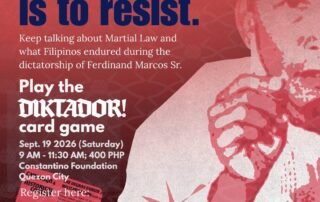
To Remember Is to Resist: Playing Diktador at Linangan Gallery
At the moment, wild laughter! Participants play the Diktador card game at the Linangan Gallery of the Constantino Foundation, a loud, raucous event full of reflection and memory, organized by the lovely people of Renacimiento Manila and Project Gunita, esteemed and, during fun times, unhinged partners – ang saya! We love the vibe… Tatak RM, Tatak PG. [READ]
Pasts Revisited
RC Constantino
Events
Videos
Stories

Bakit wala pa ang Pilipinas sa world cup? Isang Tanong sa Kolonyal na Isipan
(Alay sa mapanuring diwa ng mga makabayang historyador na sina Renato at Letizia Constantino. Ang eksibit tungkol sa kanilang buhay at kaisipan sa Yuchengco Museum ay bukas hanggang Hulyo 31.) May mga pangarap na isinilang upang lumipad, Ngunit itinurong gumapang sa sariling bakuran. Kaya’t muli nating itanong— Bakit wala pa ang[READ]
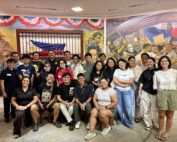
Renacimiento Manila (RM) at the Linangan Gallery of the Constantino Foundation
Yesterday, Renacimiento Manila (RM) held their general assembly at the Linangan Gallery of the Constantino Foundation. RM is a heritage advocacy group comprised of young Filipinos determined to protect our nation's legacy, propagate awareness of the colorful past in our natural and built urban environment, and promote historical thinking. They conduct some[READ]
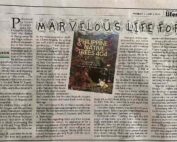
Philippine Native Trees 404: Rooted & Rising has been featured in the Philippine STAR Lifestyle section dated June 1, 2026.
Distinguished poet and SEAWrite awardee Alfred A. Yuson (Krip) writes about the book in his column "Marvelous Life Forms" — and we couldn't be more grateful for his beautiful words about this labor of love. Nearly 1,000 pages. 445 tree features. Eight years in the making. This book is a tribute[READ]
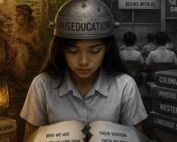
Rommel Banlaoi on Constantino’s Urgent Diagnosis of the Filipino Condition
Written over six decades ago, Renato Constantino’s The Miseducation of the Filipino remains one of the most urgent diagnoses of the Philippine condition. This piece by Prof. Rommel Banlaoi revisits its core arguments — colonial mentality, elite capture, and the failure of education as a tool of genuine national formation — and[READ]