


Spotlight
Experience Philippine martial law in the role-playing card game ‘Diktador!’
By Liana Garcellano | Oct 1, 2026It was Sept. 19, a sunny Saturday morning, a rarity in this monsoon season, when Red Constantino talked about[READ]

To Remember Is to Resist: Playing Diktador at Linangan Gallery
At the moment, wild laughter! Participants play the Diktador card game at the Linangan Gallery of the Constantino Foundation, a loud, raucous event full of[READ]
Yuchengco Museum’s 20th Anniversary
The journalist Karmina Constantino-Torres, reads Ramon C. Sunico's poem, Panalangin ng Punyal, and Allan Popa's Eklipse sa Bingit ng Digmaang Pandaigdig, the foundation's contribution to[READ]
Spotlight
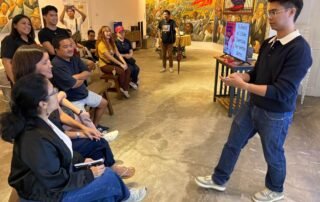
Experience Philippine martial law in the role-playing card game ‘Diktador!’
By Liana Garcellano | Oct 1, 2026
It was Sept. 19, a sunny Saturday morning, a rarity in this monsoon season, when Red Constantino talked about history at the Constantino Foundation before the start of Diktador!
History is everywhere, Constantino said, and raised the metaphor of a forest with the dead leaves “reincarnating” into a new forest. He went on to say that people[READ]
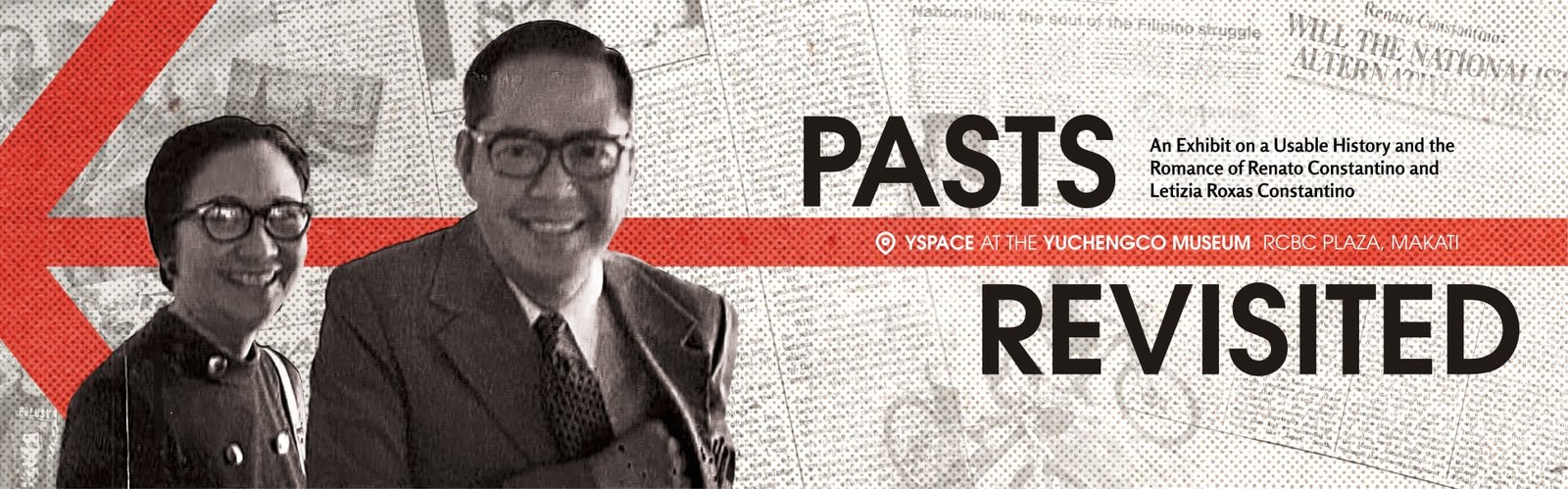
Pasts Revisited
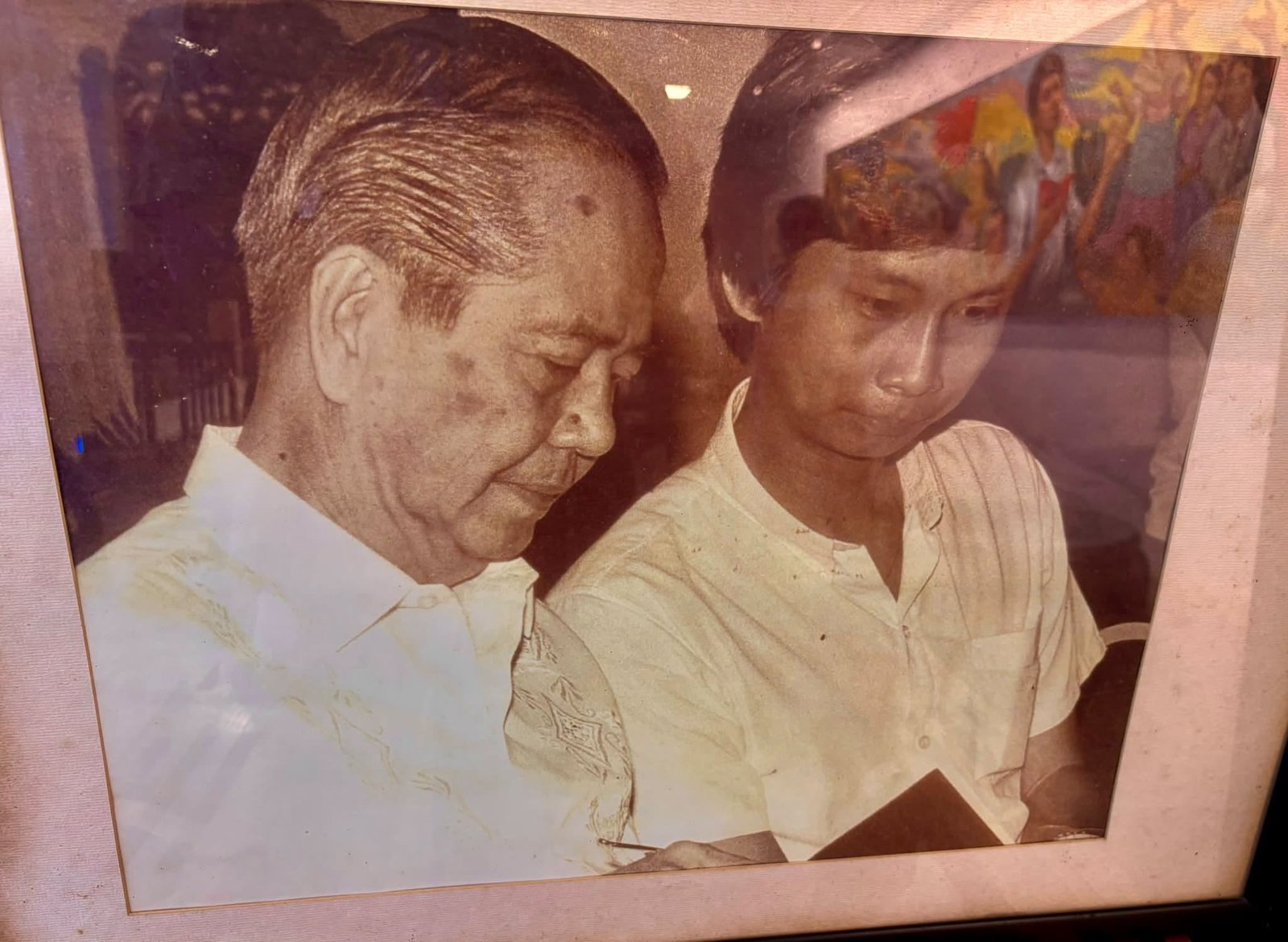
Lean Alejandro
Events
Videos
Stories
Vaya con Dios, Resil: A Nation’s Gratitude
We mourn with a grateful and forgetful nation the passing of a giant. Resil Mojares helped tell the story of who we are and who we ought to be. That we are not so easily blown away because we are grounded, with evident roots, and that we remain grounded as well,[READ]
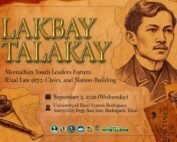
Lakbay Talakay: The Montalban Leaders Youth Forum
The Knights of Rizal - Blumentritt Chapter, in cooperation with and through the gracious support of the municipal government of Bayan ng Montalban, the Montalban LYDO - Local Youth Development Office, the Montalban Municipal Education Development Office (MEDO), the Montalban Municipal Public Information Office (MPIO) and the Constantino Foundation, is proud[READ]
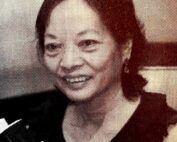
Paalam, Marra PL. Lanot
Taos-puso kaming nakikiramay sa pamilya ng makatang Marra PL. Lanot. "Hanggang sa kahit mayanig sa hiyaw / Ang ugat ng mga bulaklak, / Hinding-hindi kakalas / Ang hamog sa mga talulot" - mga salitang alay mula sa kanyang tula para sa pinaslang na botanistang Leonard Co. Paalam, Marra, paalam. Hinding-hindi mabibilang ang[READ]

Maligayang Kaarawan, Batang Katipunan at Ka Bobby!
Maligayang ligaya, Batang Katipunan at Ka Bobby! Ika-140 araw ng kapanganakan ng manunulat na si Antonio Kabigting Abad ngayong Agosto 13, at ika-92 kaarawan din ni Senador Wigberto Tañada. Muhon ng makabayang kilusan si Ka Bobby, sa lansangan at sa pamahalaan, at si Abad ay intelektwal na nagtapos sa Philippine School of[READ]