Musical composition student Hans Gabriel Dela Cruz coined what might be among the best descriptions of a usable past, something that will be understood by casual fans and those steeped in Star Wars lore: History embodies the Force, and maybe history IS the force, the way it surrounds us, binds us, and explains to us who we are though not necessarily who we might be and what the world ought to be in the future. Because tomorrow? That’s up to us.
It’s certainly what the writer Chuck Baclagon noted when he shared his thoughts on the subject as the #PastsRevisited exhibit closed last Saturday.
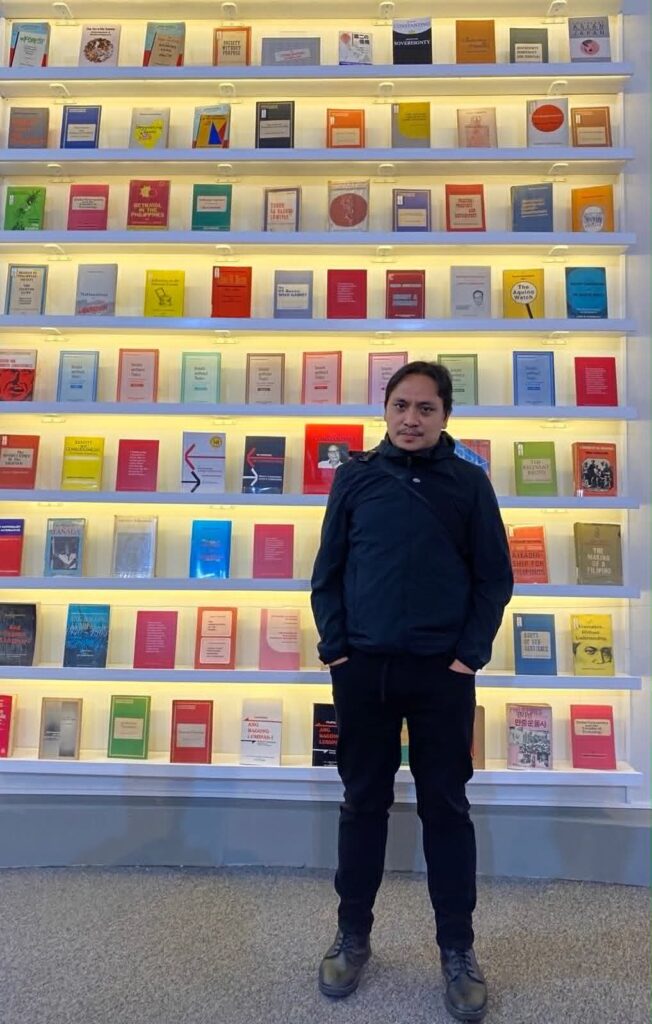
“Behind me: a small archive of dangerous ideas. Which is a fancy way of saying books–objects that still, in 2026, have the power to make people nervous, the way a lit match makes people nervous in a dry forest.
“Here’s a thought: history is not an inheritance. It’s not a dusty box of our grandparents and parent’s medals and papers that you’re obligated to keep, in the dark places, out of sight, in your house, out of guilt. It’s more like source code—you’re allowed to fork it, rewrite it, patch the bugs, push a new version. Most people don’t realize this. They think the past is fixed, like weather that’s already happened. It’s not. It’s editable.
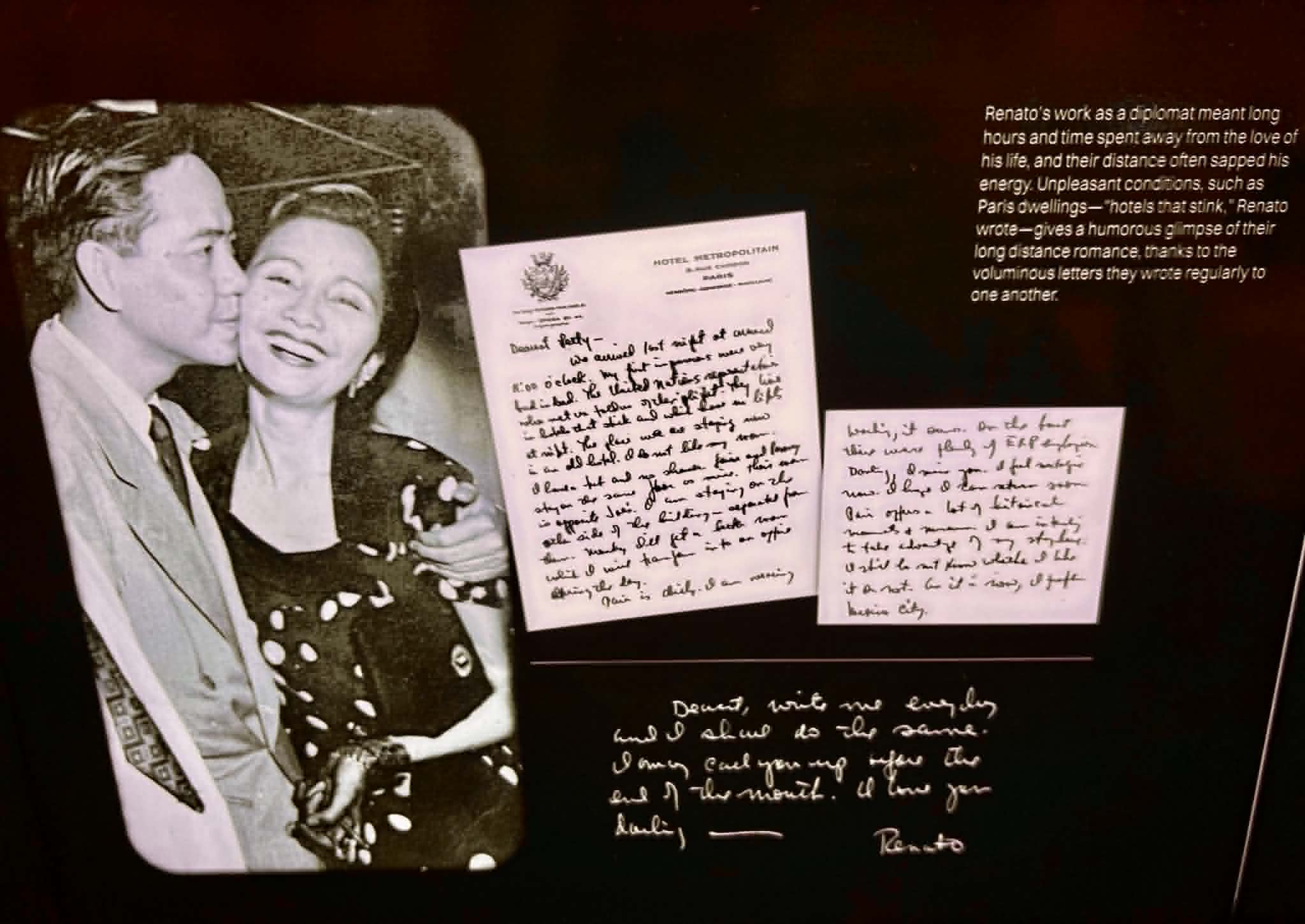
“This is part of the Constantino Foundation’s Pasts Revisited exhibition, over at Y Space, Yuchengco Museum—a room built to honor Renato and Letizia Constantino, two people who spent their lives insisting on one radical idea: that history only matters if you can actually use it. Not admire it. Not memorialize it into silence. Use it, like a tool, like a lever, like something with a handle you can grab to move the present into a slightly better shape.
“Somewhere between the bookshelf and the doorway is the whole argument: the past isn’t behind us. It’s inventory. And what you do with inventory is up to you.”