
The nation celebrates April 9 each year as the Day of Valor. We commemorate not just the fall of Bataan but the acts of heroism displayed by the likes of the Hunters-ROTC Guerillas and the Huks, which both resisted, sometimes together, the onslaught of Japanese fascists.
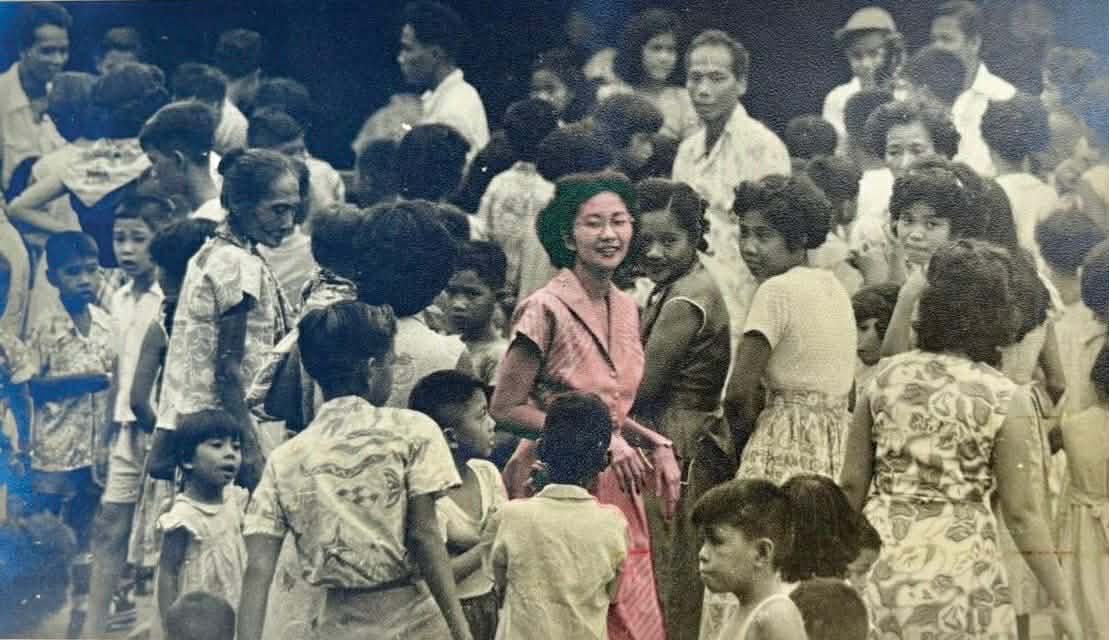
The 9th of April this year is also the 106th birth anniversary of the historian and writer Letizia Roxas Constantino. Were she alive today – a period flooded with AI slop, misinformation, fake news, and campaigns of disinformation – Letizia would remind us of a way of thinking that keeps citizens active and discerning.
Valor cannot be exercised without vigilance. Vigilance can be exercised only when we are informed. Information is useless without discernment, a way of thinking that interest in history will teach. This was why Letizia was a voracious consumer of magazines, journals, and the news.
In 1988, before the internet’s dominance, Letizia wrote: “I am a newspaper addict. My day begins when the first newsboy throws the first newspaper over my front gate. Ten others follow in quick succession. I read four closely and glance through the rest, picking out items not covered by my favored four – all in all, a two-hour job on a typical day.”
Many of our problems today are traceable to the importance we give the word called “citizenship” – something we need to constantly exercise lest, like any neglected muscle, it atrophies. Letizia explains: “Newspapers give me a ringside seat to local and international events but I am not just a spectator. I read with attention and with passion. I react. I applaud, I get angry, I argue. Sometimes I write comments on the margins, underline passages and definitely mutilate my newspapers, clipping and filing away important news items, columns, and editorials for future use. These are the indispensable bullets in my own little war for my beloved causes – independence, nationalism, democracy, a relevant education.”
Today, many get their news online, a virtual place also responsible for spreading lies, distortions, and fabrications, misleading so many. It’s why support for media is even more crucial today.
There will always be biases in news, reflected in which stories are considered worthy or ignored, what headlines are published, and how stories are written. Yet media remains vital to society, because professional reportage comes with basic aspects other sources do not necessarily carry, such as accountability, ethics, practices, and the exacting expectations of transparency and fairness fundamental to the profession.
One source is never enough. To encourage public participation, we need independent and mainstream media thriving as an ecosystem.
Letizia’s life reminds us media is essential, because it allows us to better use other instruments in the toolbox. As the novelist Ursula K. Le Guin said, “We need the languages of both science and poetry to save us from merely stockpiling endless ‘information’ that fails to inform our ignorance or our irresponsibility.”