

Spotlight

Merch alert!
A historian tote bag? Why yes. See more in our tent this Dec. 13 in support of QC's Maginhawa Arts and Food Festival! [READ]
Constantino Foundation Joins Maginhawa Festival: Merch, Memory, and Movement
We are part of the Maginhawa Arts and Food Festival this Dec. 13! Look for our tent - we will sell new Renato and[READ]
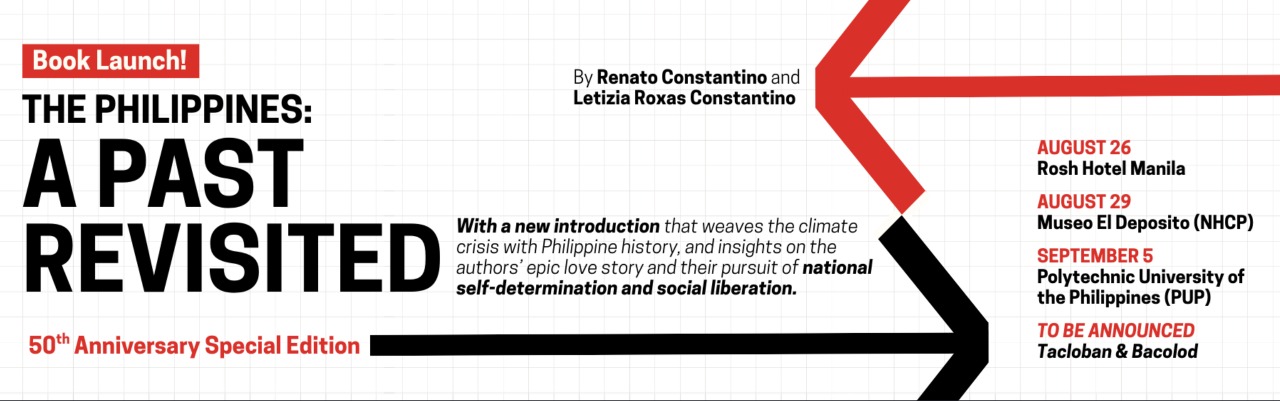
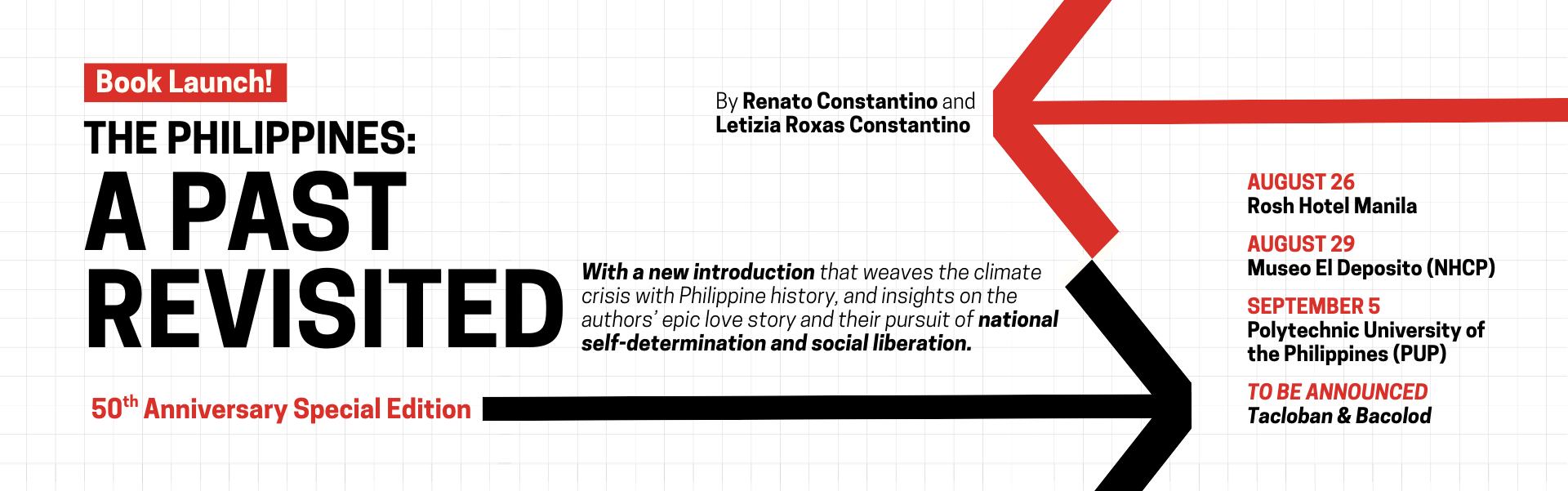
Constantino Foundation and DLSU Celebrate 50 Years of The Philippines: A Past Revisited
The Bienvenido N. Santos Creative Writing Center and the Department of History of DLSU, in cooperation with the Constantino Foundation, held the launching of[READ]
Spotlight
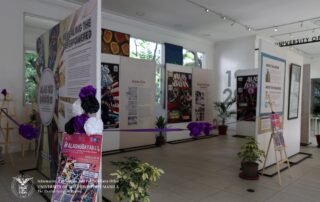
Six Years Later: Mounting the UP Manila Exhibit at Last
We count more than just activities such as an exhibit the public can enjoy. What matters to us as well is the experience of working with institutions and building lasting friendships—comrades, if you will—in the shared work of advancing historical thinking.
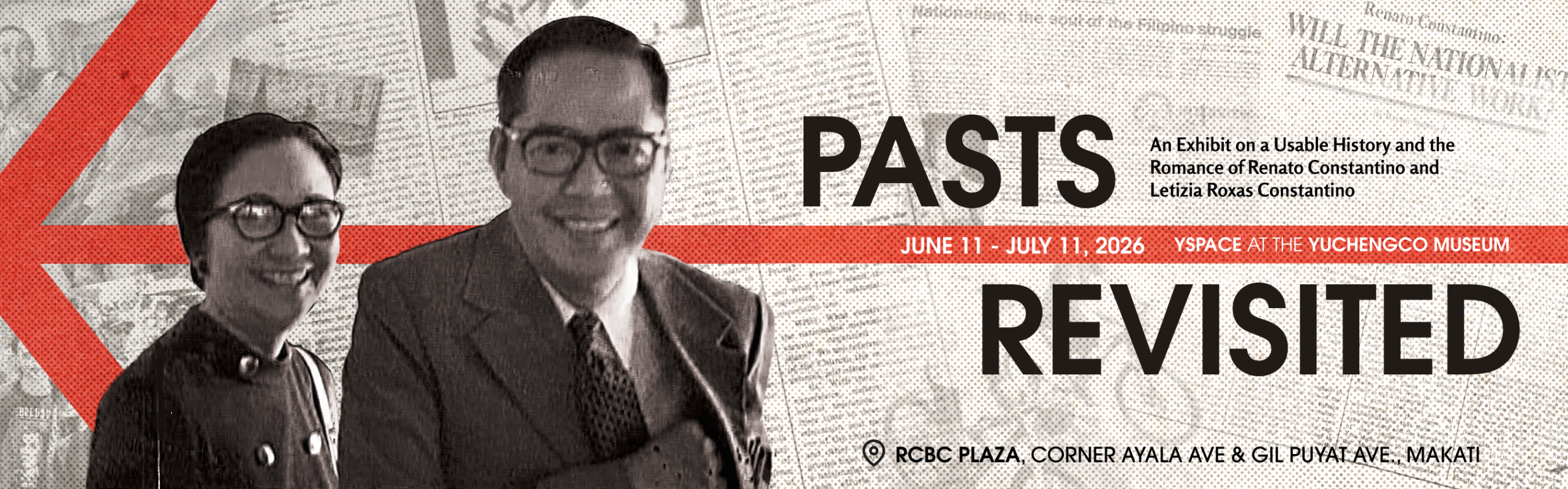
We had a meaningful and memorable collaboration with UP Manila, working closely with the Museum of a History of Ideas. The exhibit was originally scheduled for March 10–21, 2020, but was put on hold and eventually cancelled due to the pandemic. It came as a pleasant surprise when, six years later, we were able to mount the exhibit on almost[READ]
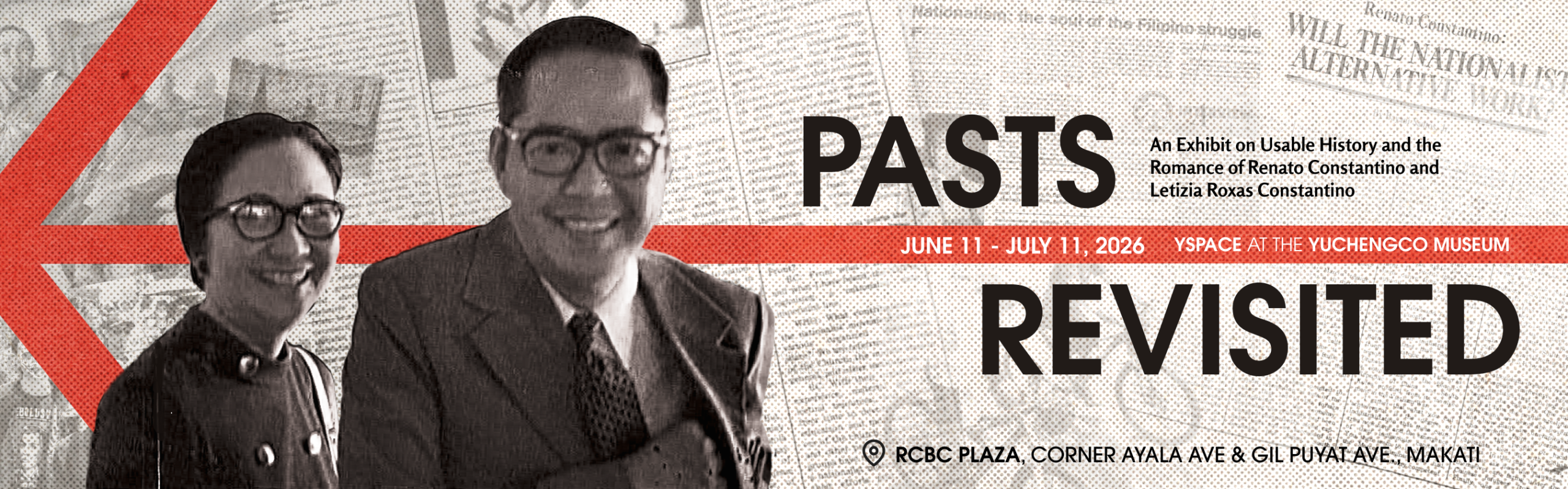
Pasts Revisited
Bapor! Paris!
Strands of Philippine history and climate change are more tangled than you think.
Many Filipinos still use the word “bapor” when they see huge sea-faring vessels, but most are not aware of the word’s origins. Bapor is from “vapor” which is another way to describe “steam” that powers up engines fueled by the dirtiest of fossil fuels: coal.
The new introduction to the 50th anniversary edition of The Philippines: A Past Revisited shows how closely intertwined our past is with the climate crisis. It was coal, for instance, that enabled British textile factories to produce the flood of super cheap cotton fabrics in the 19th century that decimated Filipino sinamay, jusi, and piña industries.
Coal is also what powered warships of the United States when it annexed and invaded the Philippines when Filipino revolutionaries had just defeated Spanish colonial rule.
U.S. steamers would bombard defenders of the Philippine republic then off-load American imperial troops across the archipelago before heading to China to help suppress the Boxer Rebellion.
Long before the more infamous oil crisis of the 1970s, before the drive to control the global supply of petrol ignited the Iran-Iraq war and other violent conflicts in the Middle East, the Philippines found itself in the middle of one of the earliest fossil-fueled land grabs.
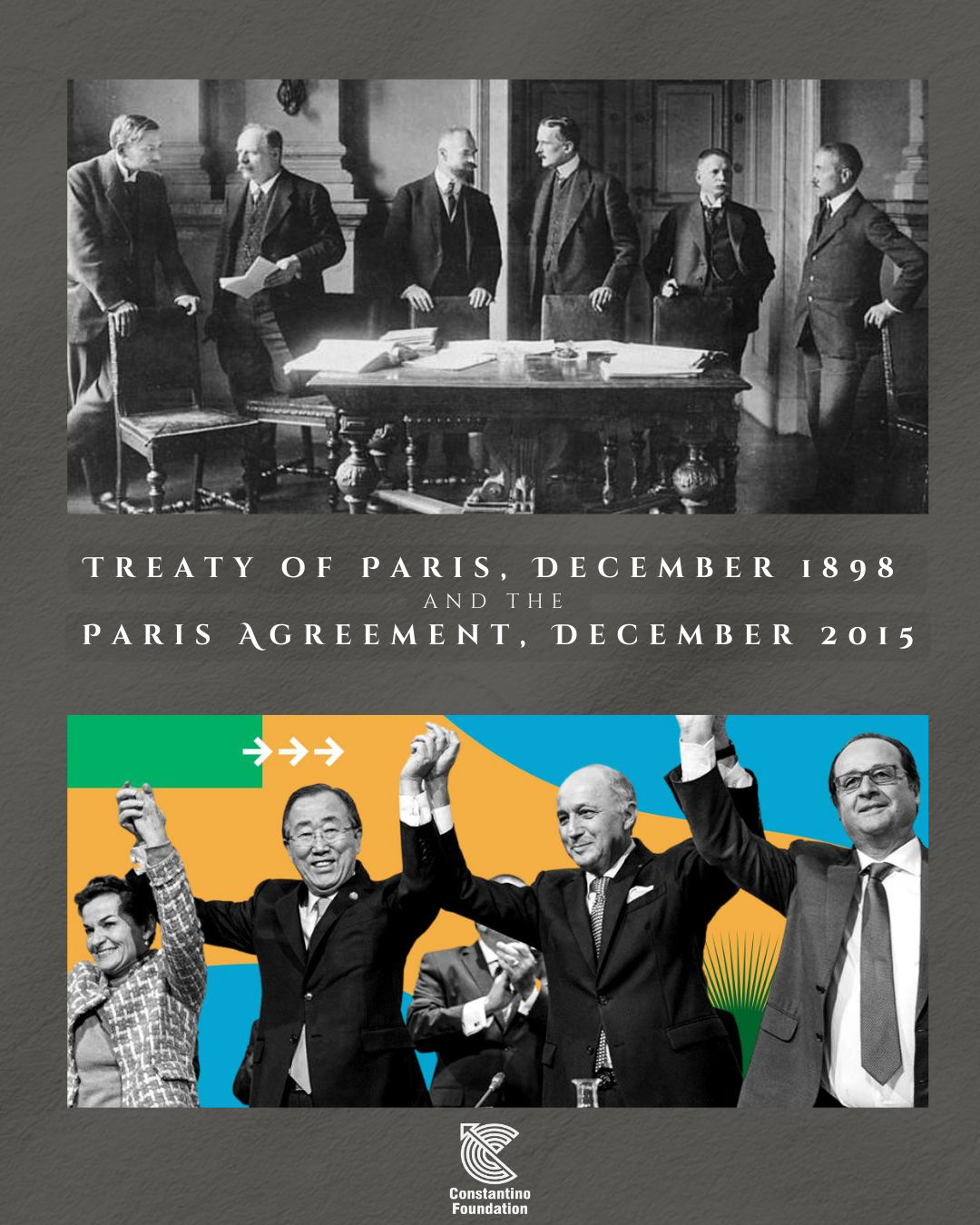
Many today know of the Paris Agreement of 2015, named after the international conference held in the French capital that produced the global climate change treaty. Largely forgotten is the Treaty of Paris of December 10, 1898, which allowed the U.S. to purchase Cuba and the Philippines from Spain. Why? U.S. Senator Albert Beveridge explained it succinctly when he said: “The Philippines are ours forever… And just beyond the Philippines are China’s illimitable markets… The wood of the Philippines can supply the furniture of the world for a century to come… Cebu’s mountain chain are practically mountains of coal.”
It’s why the largest palengke in Cebu is still named carbon market, and why you will find rail tracks in the area, where coal was once the main freight.
The Treaty of Paris is why, before it became known as a concentration camp where prisoners of the bogus U.S. “war on terror” were held outside international law, Guantanamo in Cuba was first used as an American coal depot. And long before it became the largest naval base outside the United States, Subic Bay was first a U.S. coaling station that supplied fuel to U.S. warships deployed to secure the geopolitical interests of America, a new superpower that would rapidly become the most notorious, climate-destroying greenhouse gas-polluting nation in the world.
Events
Videos
Stories
NANDITO NA SILAAAA!
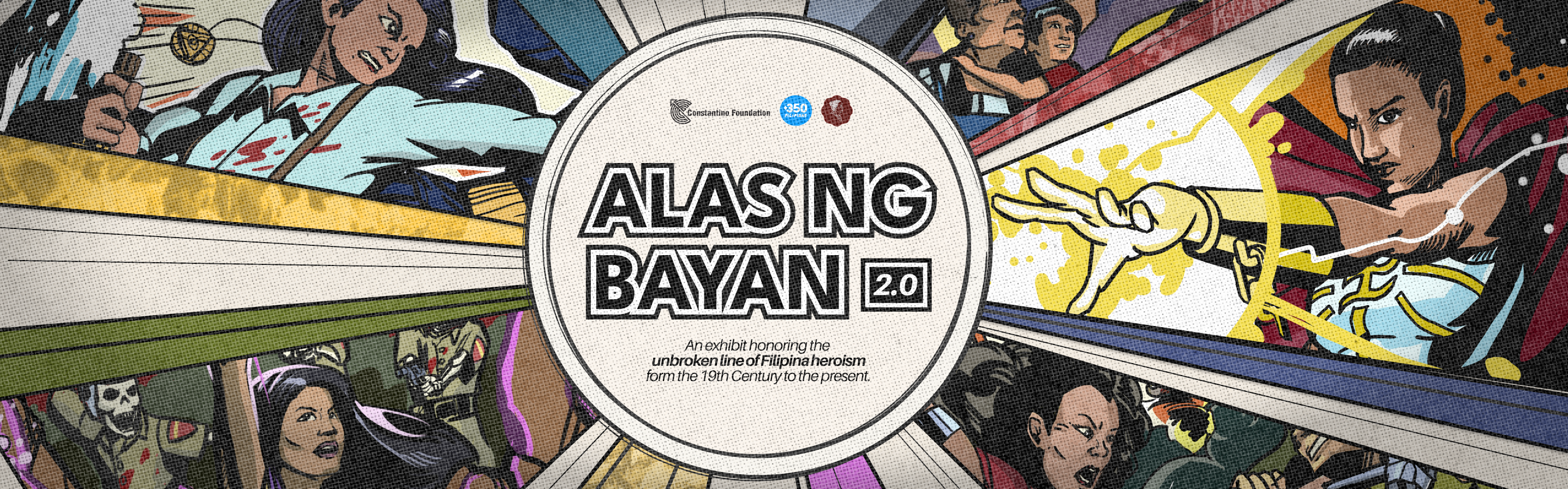
𝐍𝐀𝐍𝐃𝐈𝐓𝐎 𝐍𝐀 𝐒𝐈𝐋𝐀𝐀𝐀!! Today’s the day! The exhibit opens to the public — Filipinas in history as Superheroes? Oh yes. See them reimagined in an exciting new exhibit in Quezon City! Alas ng Bayan 2.0 features five Filipina heroes—Gregoria “Lakambini” de Jesus, Apolonia Catra, Remedios “Kumander Liwayway” Gomez-Paraiso, Lorena Barros, and[READ]

1 ARAW NA LANG!
📢 1 ARAW NA LANG! The wait is almost over — history comes alive tomorrow! Witness the power, resistance, and legacy of Filipina heroes in a bold and reimagined way. 🖼️ ALAS NG BAYAN 2.0 📍 Tandang Sora Women’s Museum, Quezon City 📅 Opening: Oct 16 | 3PM–5PM 🕘 Open Tue–Sun[READ]

2 ARAW NA LANG!
Get ready to experience history like never before! ALAS NG BAYAN 2.0 An exhibit honoring the unbroken line of Filipina heroism — from the 19th century to today. Reimagined in powerful, comic-style visuals that bring to life the stories of brave and defiant women. Tandang Sora Women’s Museum October 16 –[READ]

3 ARAW NA LANG!
Filipinas as superheroes? Absolutely. ⚡️ Catch Alas ng Bayan 2.0—a bold reimagining of Filipina heroism from the 19th century to today. Five women. Five battles. One unbroken line of resistance. History meets comic book power in this dazzling exhibit by Billy Pangilinan, brought to life by the Constantino Foundation, Tandang Sora[READ]