

Spotlight
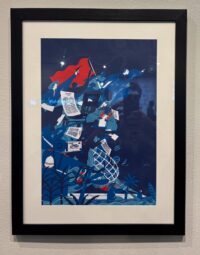
Pasts Revisited Exhibit – Candido’s Wave and the Story of Candido Iban
CANDIDO's WAVE and the story of Candido Iban: From Denise Nicole Tolentino (@DrawnByDenise), one of our #PastsRevisited artists. Celebrate the 130th year of the[READ]
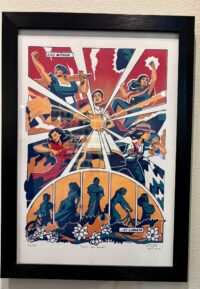
Limited‑Edition Prints and New Works at the Yuchengco Museum
ART! PRINTS! Yes! An important part of the Pasts Revisited exhibit of the Constantino Foundation is new works the public can consider acquiring. They're[READ]
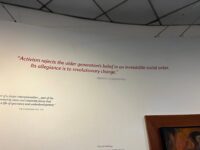
Former Bayan Muna Rep. Teddy Casiño Recalls His First Encounter with Renato Constantino
"My first brush with Renato Constantino was through Mr. Herman Rochester, our 4th year high school adviser, who lent me his “Miseducation of the Filipino.”[READ]
Spotlight
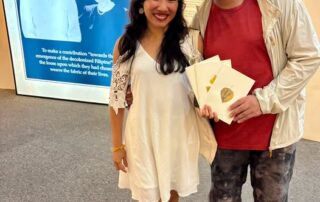
Love Birds at Pasts Revisited
Love birds with love birds who now hold books of poems by that much loved poet, Allan Popa. Bea and James managed to catch the exhibit minutes before we began the egress process. #RenacimientoManilaLove [READ]
Pasts Revisited
Renato Constantino
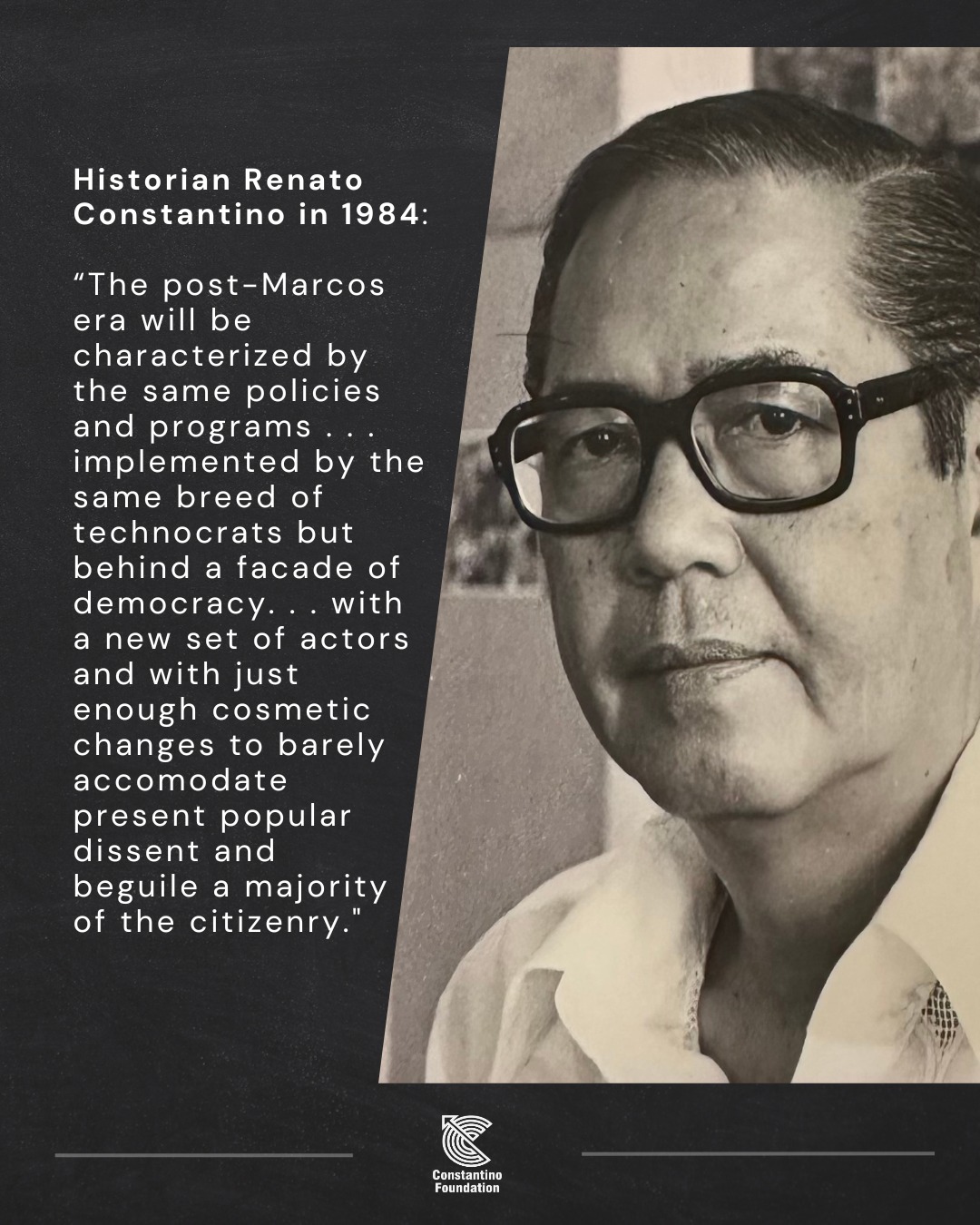
March 10 is the 106th birthday of the historian Renato Constantino. We share a warning he issued two years before the EDSA uprising against the dangers of merely replacing faces and names without changing the very economic policies that has kept our nation poor and underdeveloped. #RenatoConstantino #UsableHistory #aPastRevisited
Events
Videos
Stories
3 ARAW NA LANG!
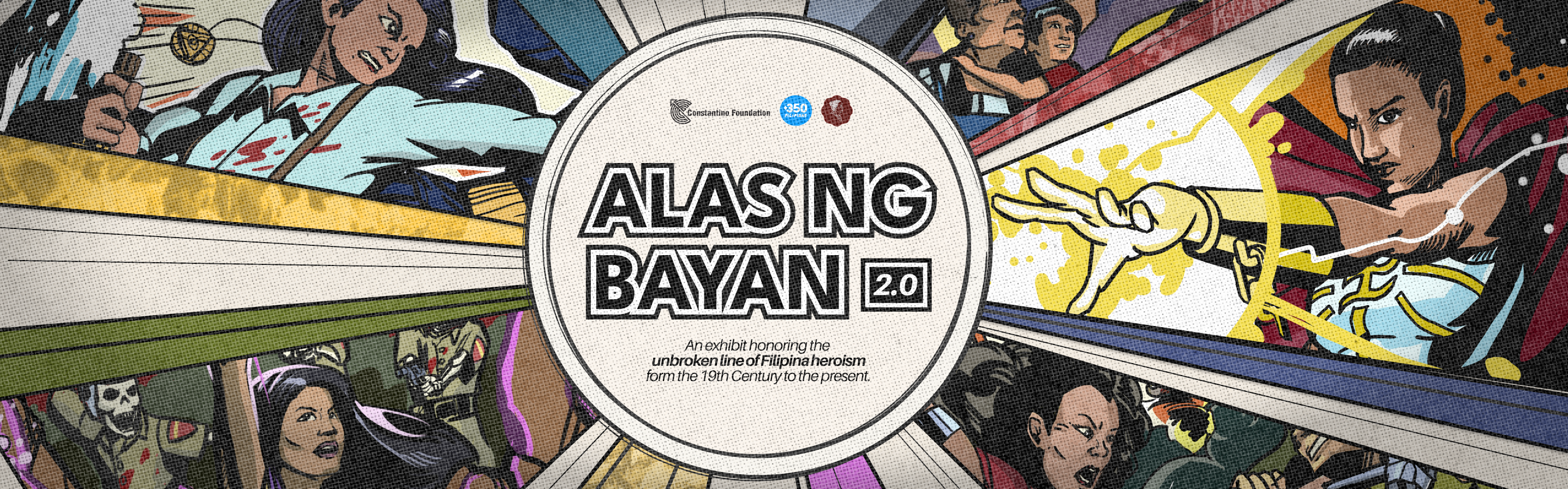
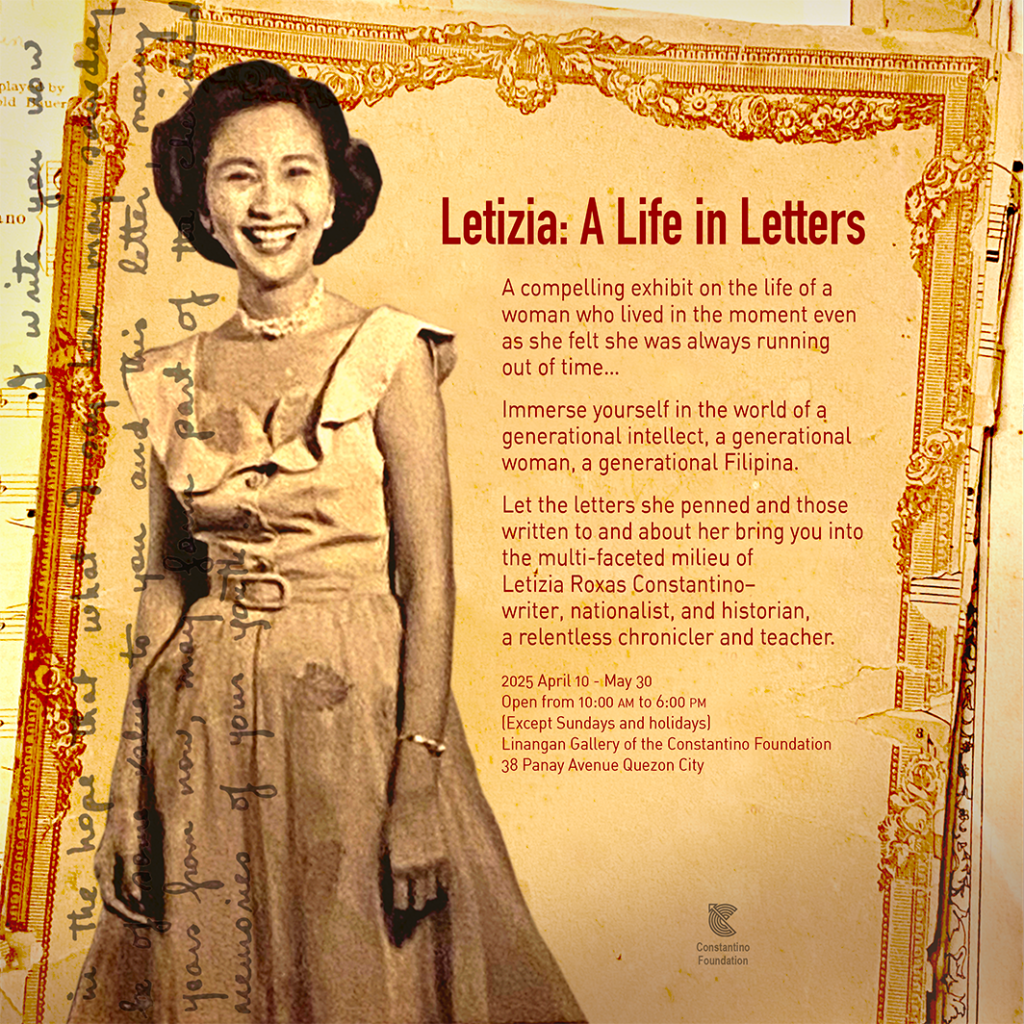
Filipinas as superheroes? Absolutely. ⚡️ Catch Alas ng Bayan 2.0—a bold reimagining of Filipina heroism from the 19th century to today. Five women. Five battles. One unbroken line of resistance. History meets comic book power in this dazzling exhibit by Billy Pangilinan, brought to life by the Constantino Foundation, Tandang Sora[READ]
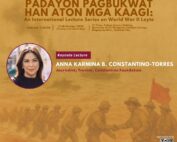
Padayon Pagbukwat Han Aton Mga Kaagi: An International Lecture Series on World War II Leyte
Karmina Constantino-Torres, Trustee of the Constantino Foundation, will be speaking on Oct. 18 and launching A Past Revisited in the event. Look at all the speakers too - such an incredibly compelling lineup. Congratulations in advance to the Leyte-Samar Heritage Society and all the schools and institutions that have helped organize this[READ]
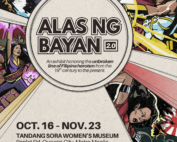
Filipinas in history as Superheroes? Oh yes. See them reimagined in an exciting new exhibit in Quezon City! #FightLikeGirls!
Filipinas in history as Superheroes? Oh yes. See them reimagined in an exciting new exhibit in Quezon City! #FightLikeGirls!Alas ng Bayan 2.0 is a riveting new contribution to an exhibition series celebrating the unbroken line of Filipina heroism in our people’s past, from the 19th century to the present. First launched in[READ]
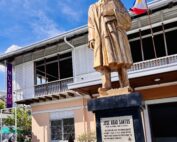
We Can Choose Honor
A sense of honor is one of the simplest lessons our nation's mightiest heroes can impart. But it's a teaching we can absorb only by remembering better, by wielding our usable past. This month marks the 114th year since Jose Abad Santos, the nation’s fifth Chief Justice of the Supreme Court, passed[READ]