
Spotlight

The Constantino legacy exhibit just got extended: here is why you need to go
by Astig.PH MAKATI, Philippines (Jul 2026): You have a few more weeks to catch a rare look at the love letters and personal artifacts of[READ]

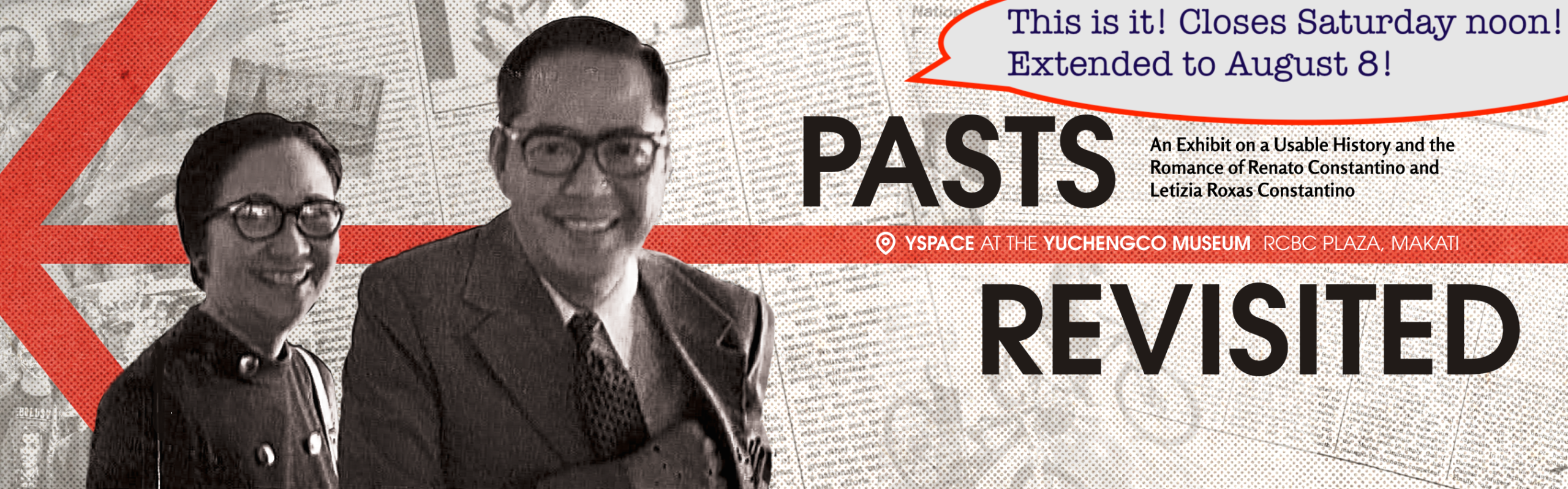
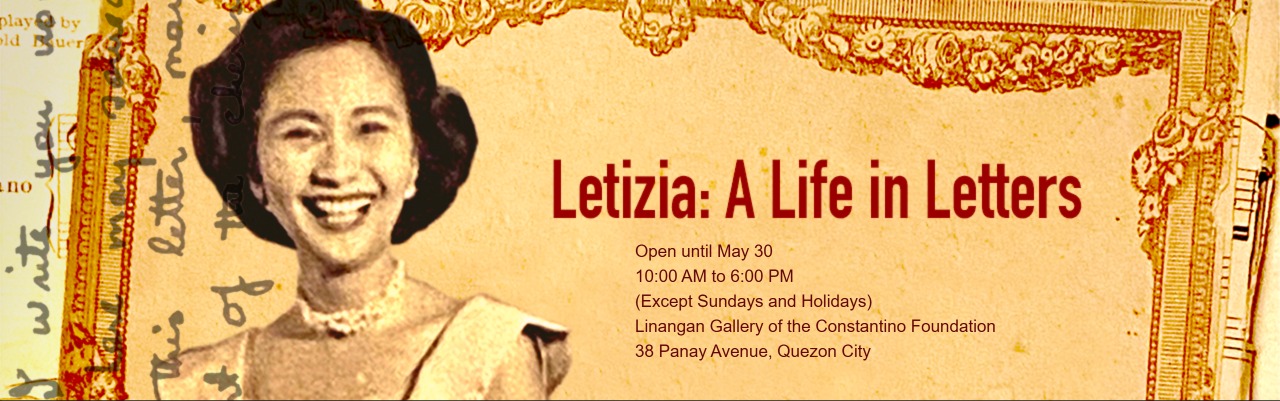
‘Pasts Revisited’ exhibit extended until July 31
BusinessMirror| July 6, 2026Visitors have more time to experience a unique intersection of history, art, and intellectual resistance, as the Constantino Foundation and Yuchengco Museum[READ]

Candido’s Wave!
Two sold + two reserved = only 16 prints are left. The limited serigraph prints by the artist Denise Nicole Tolentino are among the most[READ]
Spotlight
MAY THE FORCE BE WITH YOU
Musical composition student Hans Gabriel Dela Cruz coined what might be among the best descriptions of a usable past, something that will be understood by casual fans and those steeped in Star Wars lore: History embodies the Force, and maybe history IS the force, the way it surrounds us, binds us, and explains to us who we are though not necessarily who we might be and what the world ought to be in the future. Because tomorrow? That’s up to us.
It’s certainly what the writer Chuck Baclagon noted when he shared his thoughts on the subject as the #PastsRevisited exhibit[READ]
Pasts Revisited
Letizia, Valor, and Vigilance
The nation celebrates April 9 each year as the Day of Valor. We commemorate not just the fall of Bataan but the acts of heroism displayed by the likes of the Hunters-ROTC Guerillas and the Huks, which both resisted, sometimes together, the onslaught of Japanese fascists.
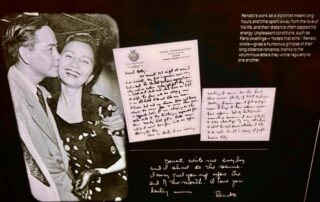
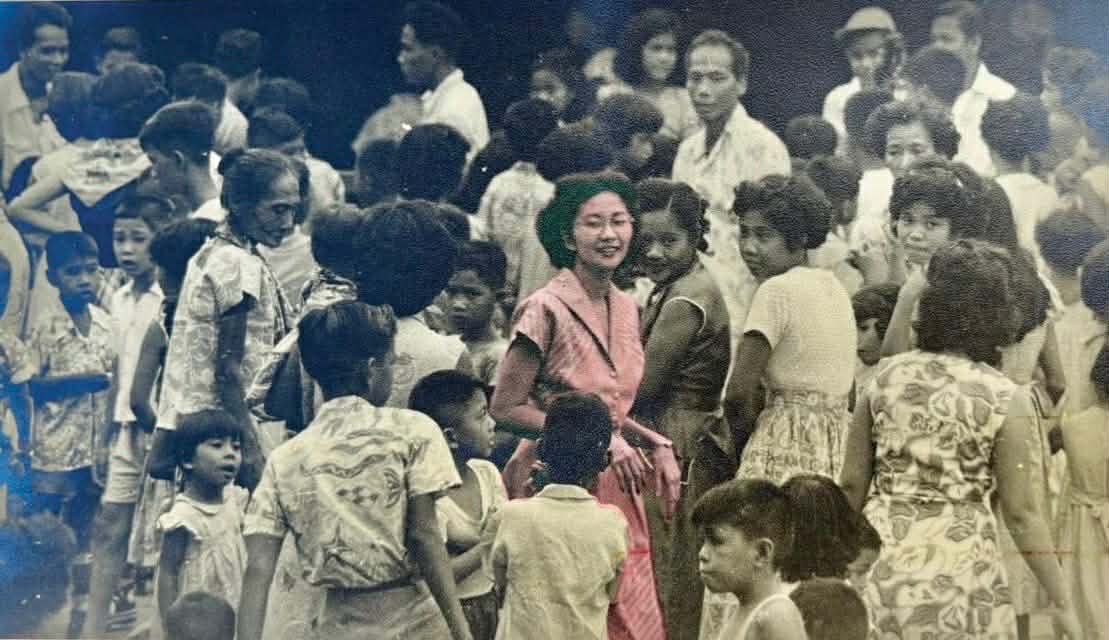
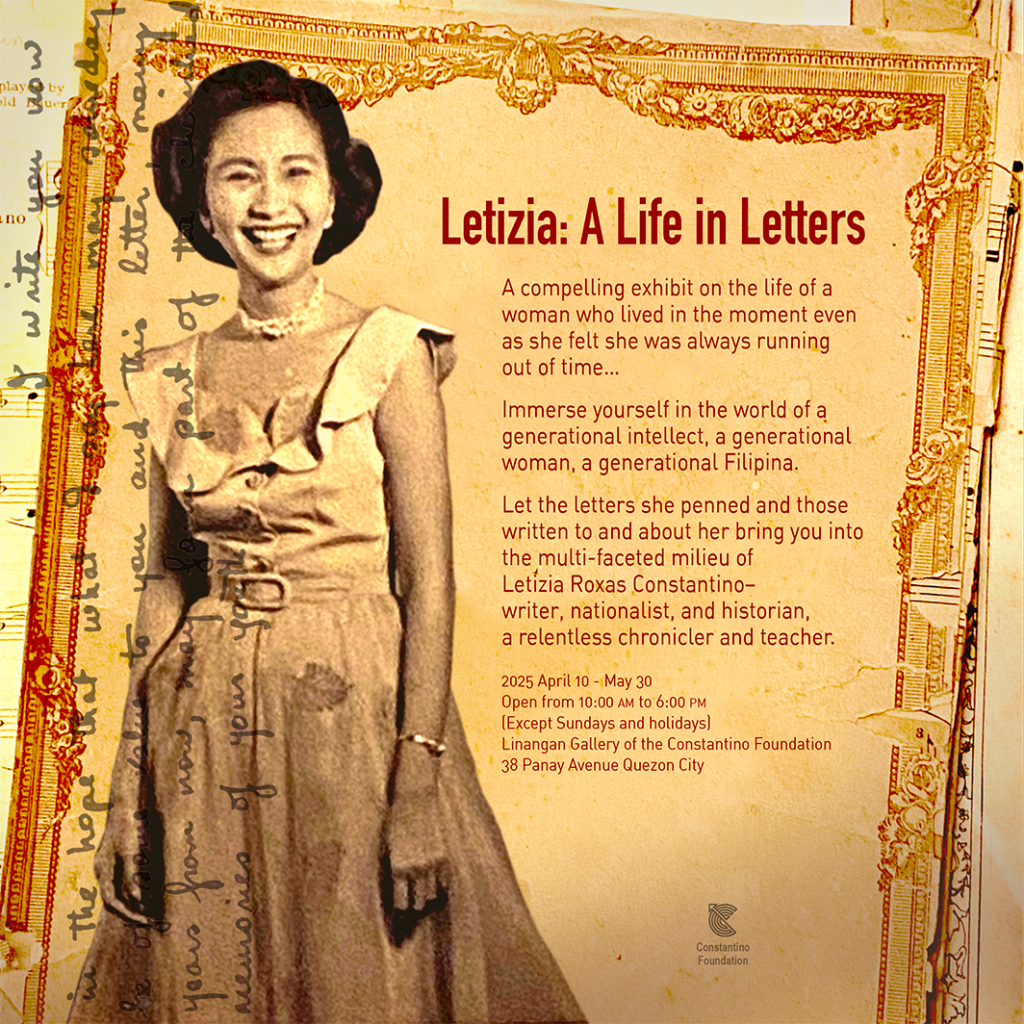
The 9th of April this year is also the 106th birth anniversary of the historian and writer Letizia Roxas Constantino. Were she alive today – a period flooded with AI slop, misinformation, fake news, and campaigns of disinformation – Letizia would remind us of a way of thinking that keeps citizens active and discerning.
Valor cannot be exercised without vigilance. Vigilance can be exercised only when we are informed. Information is useless without discernment, a way of thinking that interest in history will teach. This was why Letizia was a voracious consumer of magazines, journals, and the news.
In 1988, before the internet’s dominance, Letizia wrote: “I am a newspaper addict. My day begins when the first newsboy throws the first newspaper over my front gate. Ten others follow in quick succession. I read four closely and glance through the rest, picking out items not covered by my favored four – all in all, a two-hour job on a typical day.”
Many of our problems today are traceable to the importance we give the word called “citizenship” – something we need to constantly exercise lest, like any neglected muscle, it atrophies. Letizia explains: “Newspapers give me a ringside seat to local and international events but I am not just a spectator. I read with attention and with passion. I react. I applaud, I get angry, I argue. Sometimes I write comments on the margins, underline passages and definitely mutilate my newspapers, clipping and filing away important news items, columns, and editorials for future use. These are the indispensable bullets in my own little war for my beloved causes – independence, nationalism, democracy, a relevant education.”
Today, many get their news online, a virtual place also responsible for spreading lies, distortions, and fabrications, misleading so many. It’s why support for media is even more crucial today.
There will always be biases in news, reflected in which stories are considered worthy or ignored, what headlines are published, and how stories are written. Yet media remains vital to society, because professional reportage comes with basic aspects other sources do not necessarily carry, such as accountability, ethics, practices, and the exacting expectations of transparency and fairness fundamental to the profession.
One source is never enough. To encourage public participation, we need independent and mainstream media thriving as an ecosystem.
Letizia’s life reminds us media is essential, because it allows us to better use other instruments in the toolbox. As the novelist Ursula K. Le Guin said, “We need the languages of both science and poetry to save us from merely stockpiling endless ‘information’ that fails to inform our ignorance or our irresponsibility.”
Events
Videos
Stories
LAKAMBINI: When History Refuses to Stay Silent, by Cardinal Pablo Virgilo David (on a movie the Constantino Foundation encourages you to watch).
I must confess, when I sat down to watch Lakambini, I thought I was merely revisiting a historical figure I already admired — Gregoria de Jesús, the Lakambini ng Katipunan, wife of the Supremo. But I wasn’t prepared for what the film stirred in me. It felt less like watching history and[READ]

Buga-Buga and the Burauen History Club By Bernard Karganilla
May the caves and slopes of Buga-Buga, once places of conflict, now echo prayers of harmony.’ AT the commemorative luncheon for the Leyte Gulf landings anniversary, Gregoria Equipaje Badeo shared her personal experience and her historical notes during the Japanese Occupation: “In Barrio Santa Ana, 13 men were burned to death…Luckily, one[READ]

“The true Filipino is a decolonized Filipino.” — Renato Constantino
???????????????? | Echoing the powerful statement, Day 2 of PADAYON PAGBUKWAT HAN ATON MGA KAAGI: An International Lecture Series on World War II Leyte explored stories of heroism, resistance, and the enduring impact of World War II on the Filipino identity. Broadcast journalist Anna Karmina B. Constantino-Torres, granddaughter of nationalist historian Renato[READ]

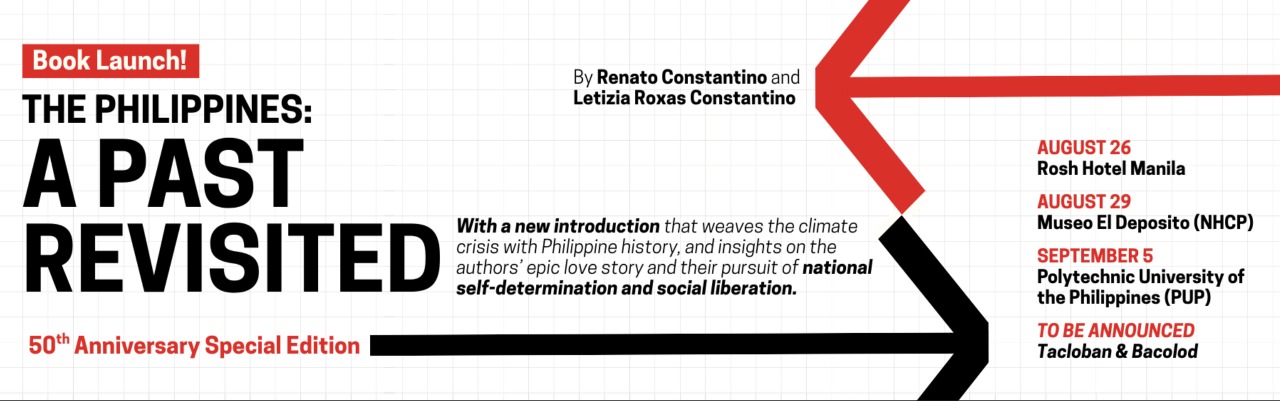
Revisiting the Past: Karmina Constantino-Torres Launches 50th Anniversary Edition in Tacloban
Journalist and Constantino Foundation Trustee Karmina Constantino-Torres spoke at the history forum in Tacloban last October 18, where she delivered a paper and launched the 50th anniversary edition of The Philippines: A Past Revisited. The event was organized by the Leyte-Samar Heritage Society, Inc., in partnership with the Republic of South[READ]