
Spotlight
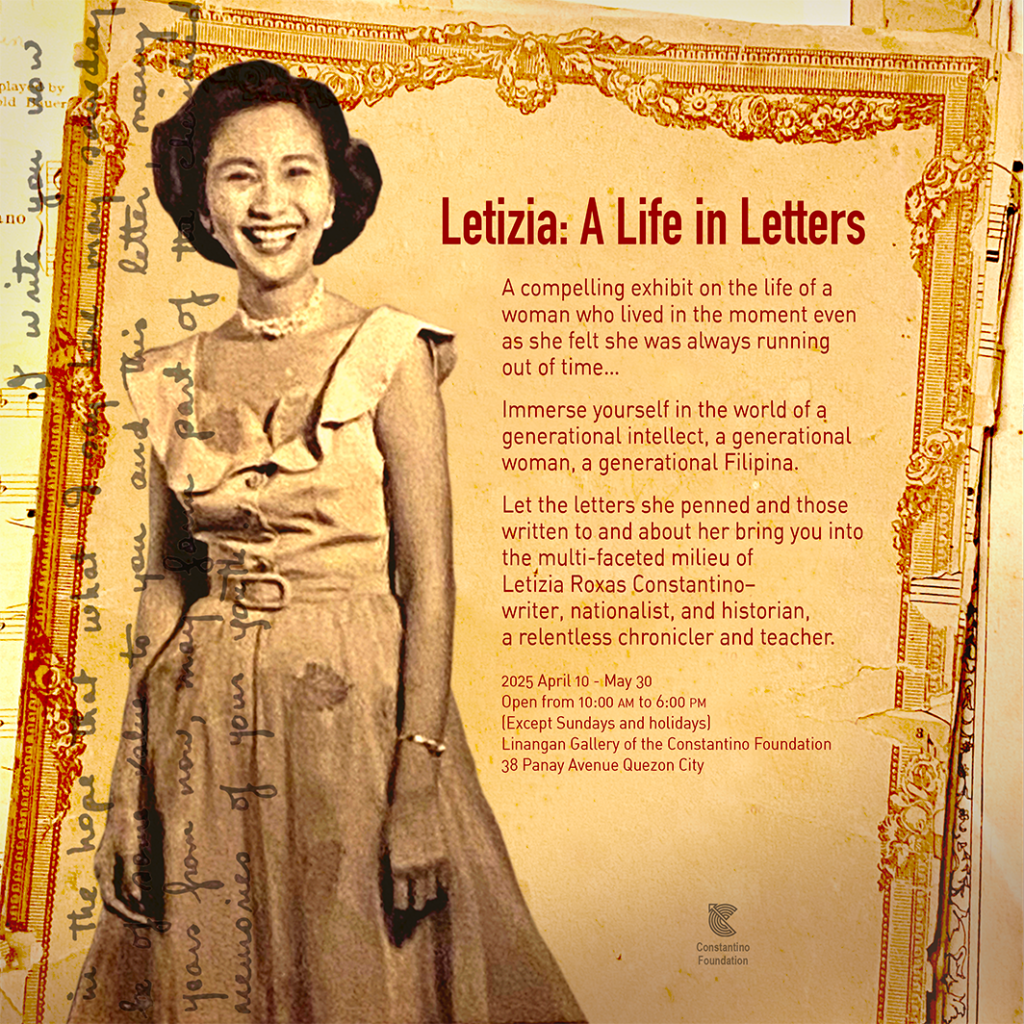
Honoring Letizia Roxas Constantino: A Generational Filipina from Capiz
Today, we remember one of the most understated figures in Philippine intellectual history – but no doubt, a proud daughter of the Province of Capiz.She[READ]
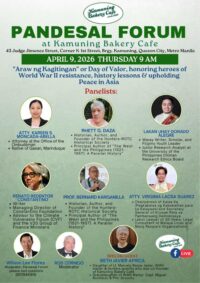
Pandesal Forum at Kamuning Bakery Café
April 9, 2026 | 9:00 AM 43 Judge Jimenez St., Brgy. Kamuning, Quezon CityIn commemoration of Araw ng Kagitingan (Day of Valor), the forum will feature[READ]
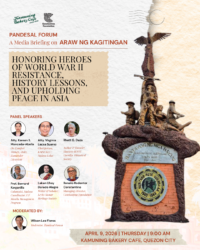
Pandesal Forum: Memory, Justice, and Geopolitics — April 9 Media Briefing at Kamuning Bakery
A media briefing this April 9/Thursday. Historians and analysts comment on the heroism of Hunters-ROTC Guerillas and the Huks and the campaign of justice for[READ]
Spotlight
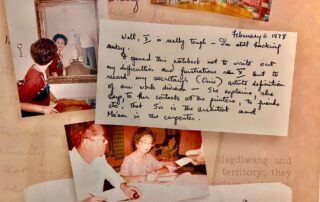
HISTORIANS IN LOVE
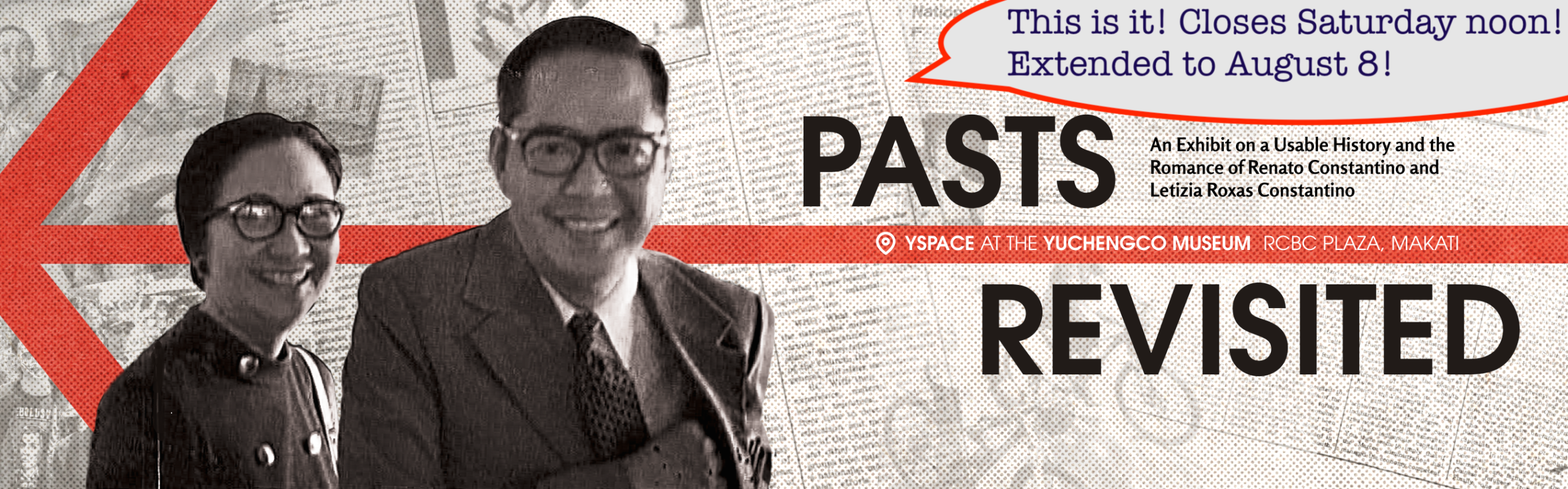
Pasts Revisited
A NATIONAL TREASURE: LEONARD L. CO (1953-2010) By Perry S. Ong and Nina Ingle
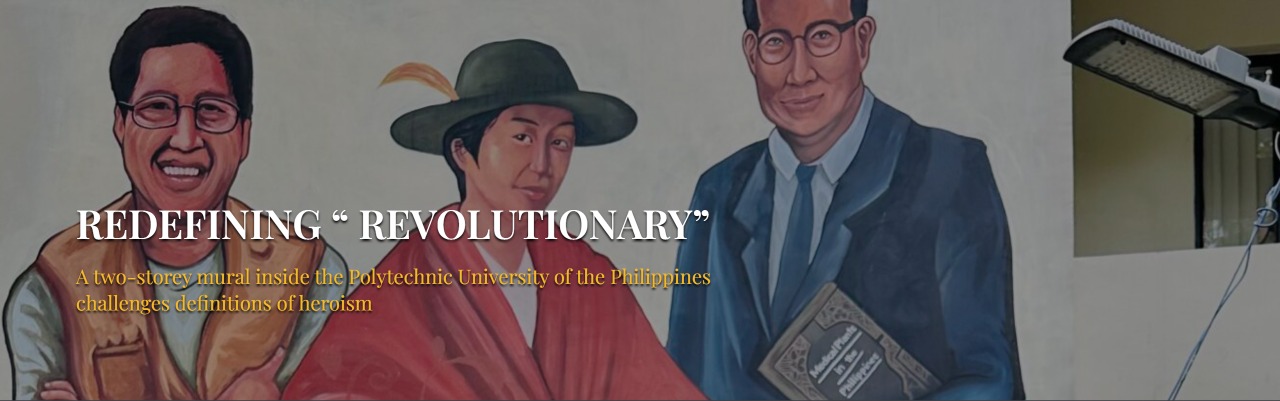
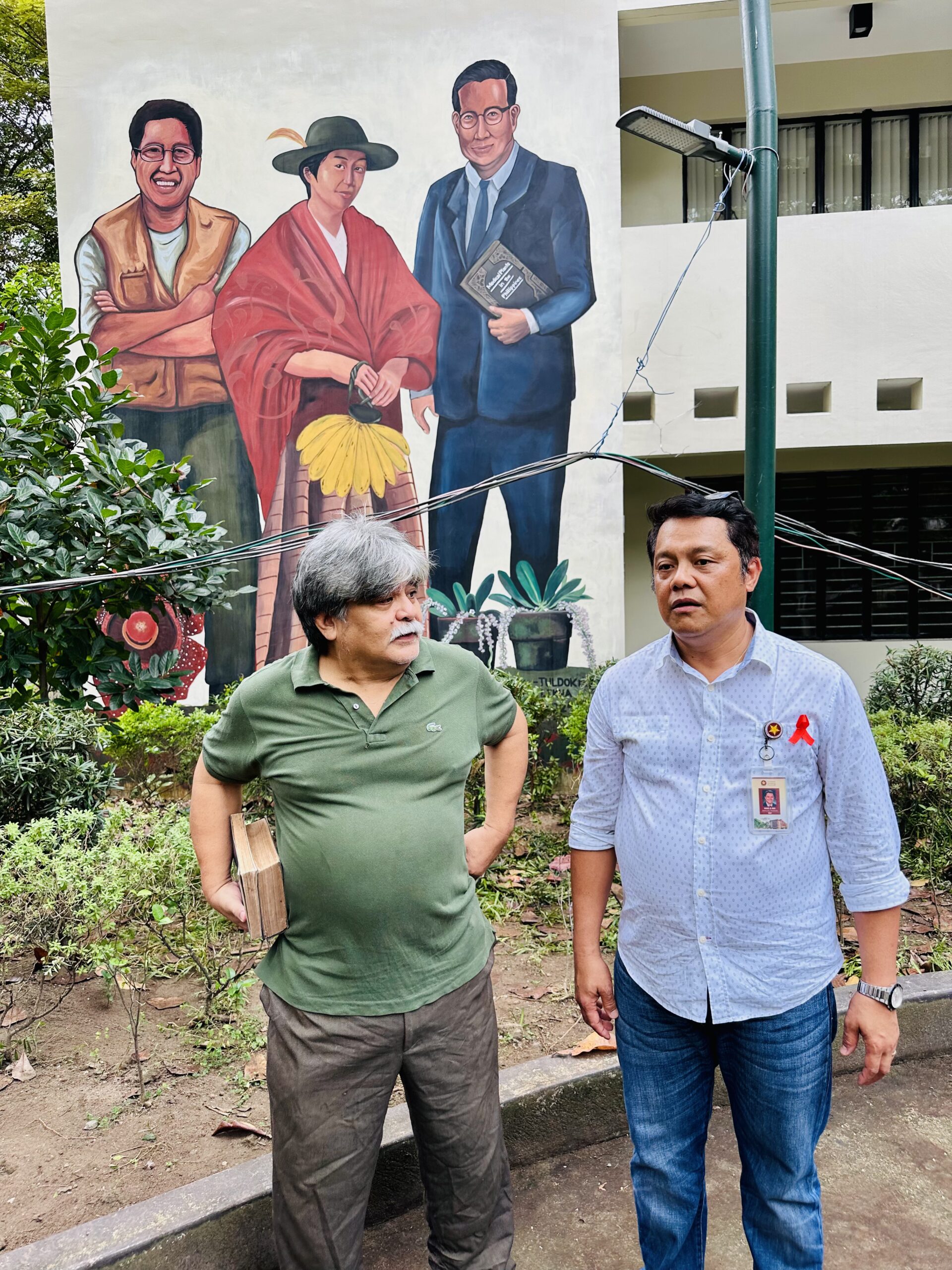
Leonard L. Co, unparalleled plant scholar and a scientist for the people, died last November 15, 2010 in Leyte from gunshot wounds obtained during an alleged crossfire between the Philippine Army 19th Infantry Battalion and the New Peopleís Army. Co had pioneered the writing of manuals on Philippine medicinal plants for community-based health care in the 1970s and worked as a pharmacologist of Chinese medicinal plants in the 1980s. At the time of his death, Co was doing research on native forest species for reforestation. He was also assembling a digital herbarium and writing an update of The Enumeration of Philippine Flowering Plants written by Elmer Merrill at the turn of the 20th century.
Leonard was born in 1953 to a Chinese father and Ilocano mother, and lived in Caloocan where the family had a popular Chinese restaurant. He went to the Philippine Chinese High School, where, under the pen name “Siling Labuyo,” Leonard wrote a column called Mga Tsismis sa Kantina in the high school newspaper about problems in society and in school. Leonard was fluent in Tagalog (Filipino), Ilocano, Hokkien, Mandarin, and English, but he was most comfortable speaking in Filipino.
He went to UP Diliman for college, enrolling first in Chemistry but then shifting to Botany, his true love. His college career was interrupted by the turmoil during martial law when Leonard became a political detainee. Among the evidence presented against Leonard were “Communist” books in Chinese script that were actually books on Chinese medicinal plants. During this period, he edited the Manual on Some Philippine Medicinal Plants, which came out in mimeographed form in 1977 in the name of the UP Botanical Society.
In 1989, Co came out with the nearly 500-page Common Medicinal Plants in the Cordillera Region: A Trainor’s Manual for Community-Based Health Programs. Leonard became the resident Chinese pharmacologist at the Acupuncture Therapeutic and Research Center in Manila where he met Glenda Flores, whom he married in 1990. They have a daughter, Linnea Marie.
Highly regarded in the international community, Co only got his Bachelor of Science Degree in Botany from the UP Diliman in the summer of 2008 (after 36 years) although he served as the de facto curator of the UP Herbarium and mentored countless students. Palanan in the Sierra Madre was where he did the most botanizing. His last publication in 2006 was the book Forest Trees of Palanan, Philippines: A Study in Population Ecology, part of the Center for Tropical Forest Science of the Smithsonian Tropical Research Institution series. Co considered the book a celebration of “the spirit of partnership and collaboration; of mentoring; of passion for excellence and abhorrence of mediocrity, and most importantly of dreaming, innovating and fighting tooth and nail for the cause of biodiversity conservation.”
Several plants have been named after him, such as the orchid Mycaranthes leonardoi (described in 2010 by Ulysses Ferreras and Wally Suarez), and Rafflesia leonardi, a parasitic plant with huge flowers (described in his honor by Julie Barcelona and Pieter Pelser in 2008).
It is ironic that he was gunned down while doing the work he loved, identifying tree species in the middle of a remnant forest that he was trying to restore. He was in Kananga, Leyte as a biodiversity expert for the Energy Development Corporation (EDC) for its tree legacy program, BINHI, looking for mother trees.
This is an abridged piece. Click here for the original, including citations.
Events
Videos
Stories
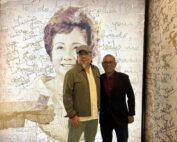
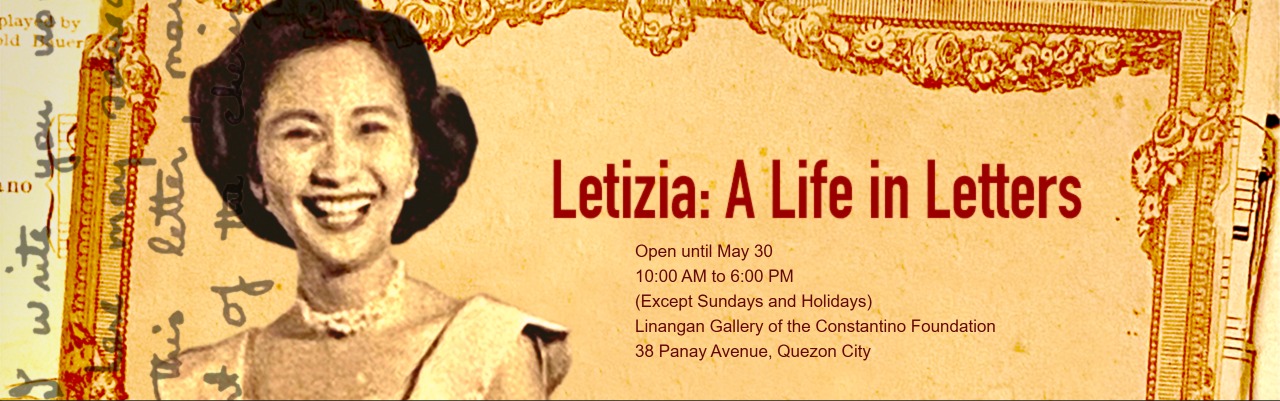
A former president visits Letizia
It was a lovely Saturday morning when Mohamed Nasheed dropped by to see the exhibit Letizia: A Life in Letters. He loved the exhibit so much he stayed for more stories exchanged over lunch and to enjoy the company of the family’s matriarch, Lourdes Balderrama Constantino. Nasheed is currently the secretary general[READ]
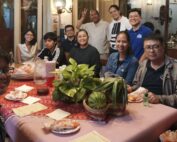
Building Bridges Through History: NHCP at Letizia: A Life in Letters
We were honored to host representatives from the National Historical Commission of the Philippines at the Letizia: A Life in Letters exhibit. The visit offered a meaningful occasion for scholarly exchange on historical memory, archival curation, and inclusive heritage interpretation. Through engaging dialogue over merienda, we explored avenues for collaboration and[READ]
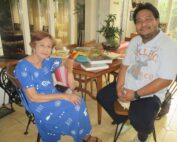
Historian Xiao Chua recently visited the Letizia: A Life in Letters exhibit, offering insightful reflections on Letizia Constantino’s legacy.
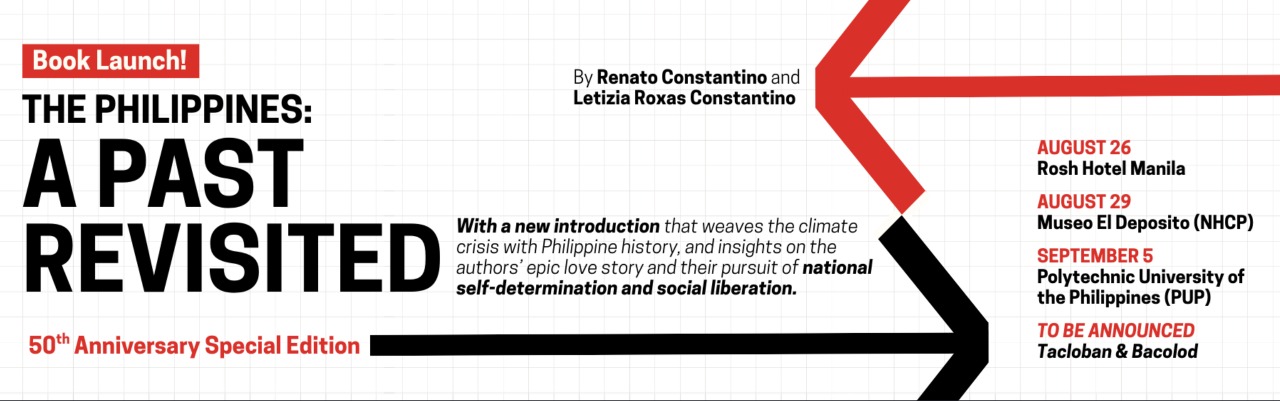
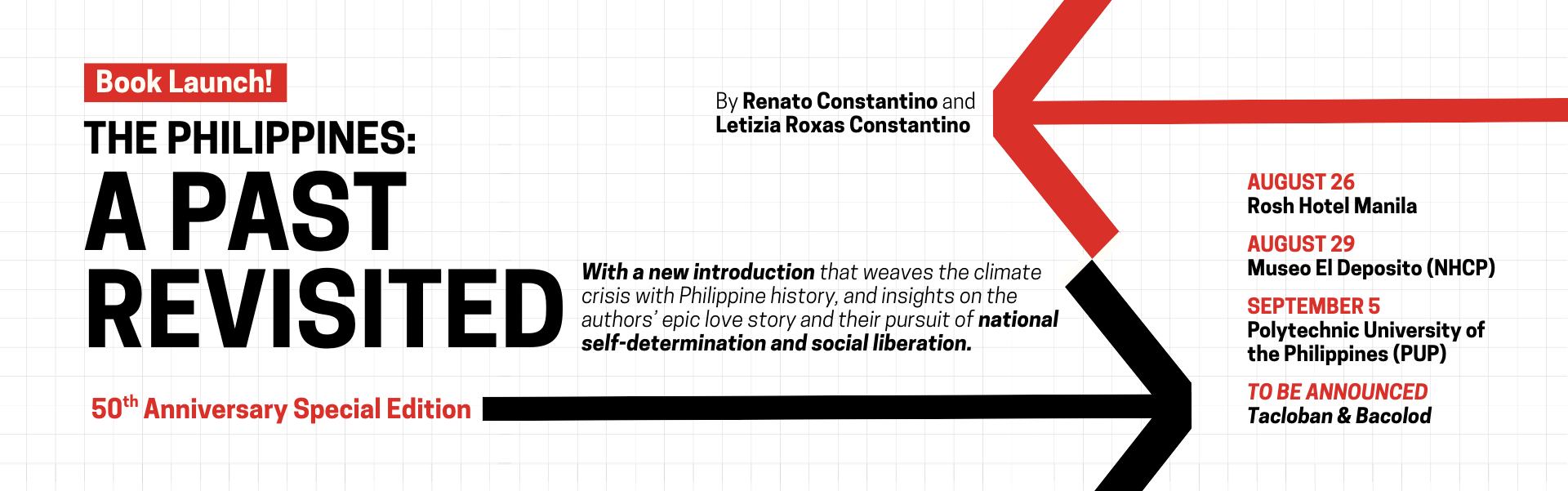
SIR IS THE ARCHITECT AND MA'AM IS THE CARPENTER Post Independence Day post. Among the work of historians, one of the most towering text that tells of the Philippine struggle to stand on its own two feet was nationalist historian Renato Constantino's The Philippines: A Past Revisited and the sequel[READ]